Wall cracks are a common issue in many households, leaving homeowners puzzled and frustrated. "Why does my wall crack keep coming back?" is a question often asked by those dealing with this persistent problem. According to a report from the International Association of Certified Home Inspectors, about 50% of homes experience some form of wall cracking. Understanding the causes is crucial for effective repair.
Most wall cracks emerge from either structural issues or settling of the home's foundation. Data from the National Association of Home Builders indicates that improper drainage contributes to 15% of foundation problems. Homeowners may address surface cracks with cosmetic fixes, but addressing underlying issues is essential to prevent recurrence. Ignoring the root cause can lead to larger, more expensive problems down the line.
Effective solutions for recurring cracks include foundation reinforcement and moisture control. Professional assessments and repairs can cost between $2,000 to $7,000, yet ignoring these warnings can result in greater expenses. Ultimately, awareness and timely action can ensure a lasting solution to a frustrating issue.
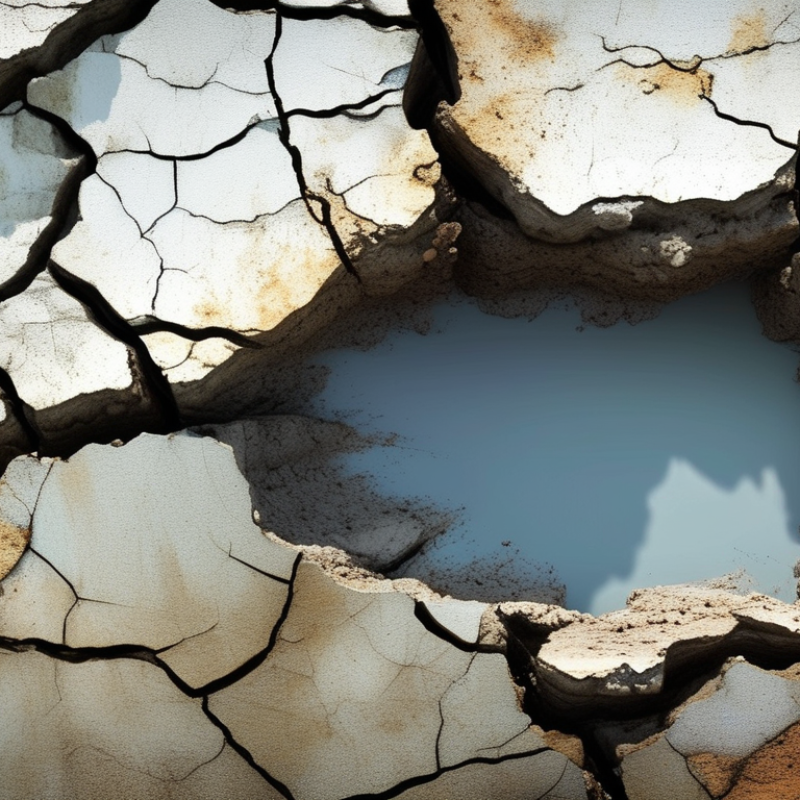
When dealing with recurring wall cracks, understanding their causes is essential. Cracks often stem from structural issues, moisture problems, or soil movement. According to the American Society of Civil Engineers, over 30% of residential properties report some form of foundation distress. This is alarming and highlights the urgency of addressing the issue promptly.
Moisture intrusion can lead to serious damage. It can cause the soil under your home to shift, leading to cracks. A study by the Institute of Structural Engineers found that nearly 40% of wall cracks are due to poor drainage. Monitoring your home’s drainage systems is crucial. Ensure that gutters and downspouts are functioning well to prevent water from pooling near your foundation.
Tips: Regularly inspect for leaks around windows and doors. Use sealants as a preventive measure. Monitor humidity levels in your home. Too much moisture can be as damaging as too little. Sometimes, the smallest leak can lead to significant issues over time. Take a closer look at your home. You might find hidden problems that require attention.
When assessing the severity and impact of wall cracks, it’s essential to examine their location and size. Vertical cracks often indicate settling in the foundation. Diagonal cracks may suggest more serious structural issues. Measure the width of the cracks. A crack wider than a quarter of an inch is a red flag. Documenting these dimensions can help in future assessments and repairs.
The implications of wall cracks extend beyond mere aesthetics. They can lead to water intrusion, creating a risk for mold growth. For interior walls, significant cracks might indicate underlying problems with the home’s foundation. These issues can affect the home’s value and safety. While minor cracks are common, significant ones shouldn't be ignored. Regular inspections are vital to catch changes early. Noticing small shifts in existing cracks can save homeowners from costly repairs later.
Consulting with a structural engineer can provide deeper insights. They can assess potential causes and recommend appropriate measures. The impact of neglecting wall cracks isn't just financial; it affects peace of mind. It's necessary to stay proactive rather than reactive. Taking action now can prevent more severe issues down the line.
When dealing with recurring wall cracks, choosing the right repair materials and techniques is crucial. Start by evaluating the type of crack. Minor surface cracks often require simple fillers. However, deeper cracks may need more resilient solutions. Consider using a flexible sealant for moving cracks. This allows for expansion and contraction without further damage.
For materials, opt for high-quality patching compounds. These compounds should suit your wall's texture and type. It's important to test the material on a small area first. If the crack worsens, reassess your repair method. Sometimes, you might need a more extensive fix, such as installing wall anchors or reinforcements. Both labor-intensive and costlier, these methods can provide lasting strength.
Don't forget to address the underlying causes of cracks. Poor drainage or foundation issues might stress your walls. Ignoring these causes can lead to repeated issues. Stay informed on the best practices for your specific situation. Each home has unique needs, and what works for one might not be suitable for another. Consider consulting a professional for an expert opinion on complex issues.
| Repair Technique | Best Used For | Materials Needed | Estimated Cost | Effectiveness Duration |
|---|---|---|---|---|
| Epoxy Injection | Structural cracks | Epoxy resin, injection ports | $150 - $300 | Permanent if done correctly |
| Wall Crack Filler | Hairline cracks | Crack filler, putty knife | $10 - $50 | Moderately long-lasting |
| Reinforced Mesh | Wide cracks in drywall | Mesh tape, joint compound | $20 - $70 | 2-3 years |
| Foundation Repair | Significant structural issues | Steel piers, beams | $2000 - $7000 | Long-term solution |
| Sealants | External cracks | Silicone sealant, caulking gun | $5 - $30 | 1-2 years |
Preventive measures play a crucial role in addressing recurring wall cracks. According to the American Concrete Institute, nearly 25% of homes experience some form of foundation issues, often stemming from soil movement and moisture fluctuations. Implementing strategic practices can significantly reduce these risks.
Regularly maintaining gutters is essential. Clogged gutters lead to water pooling near the foundation. This excess moisture can erode the soil, exacerbating cracks. Installing downspout extensions can redirect water away. Additionally, ensuring proper grading around the home can prevent water intrusion, further protecting the foundation.
Monitoring humidity levels inside the home is also vital. A consistent humidity level between 30% and 50% can prevent the drywall from expanding or contracting excessively. If moisture is unregulated, structural changes may occur, leading to cracks. Using dehumidifiers in damp areas helps stabilize the environment. Small adjustments can yield significant benefits in preventing wall cracks. However, many homeowners overlook these critical maintenance tasks. Awareness and consistent action are key for a long-term fix.
Regular maintenance is key to preventing wall cracks. Monitor your walls for any signs of stress, such as small fissures or shifts in your structure. Checking your foundation regularly can help identify issues early. Pay attention to moisture levels, as water can weaken wall integrity.
Tips: Inspect your walls monthly. Look for any discoloration or damp spots. These can indicate moisture problems. Consider using a moisture meter for more accuracy.
If you notice recurring cracks, it might be time to address underlying issues. Engage a professional to assess potential structural factors. Analyze drainage around your property. Poor drainage can lead to excess water accumulation. Adjusting your landscape can alleviate pressure on walls.
Tips: Document any cracks you find. Take photos to track their size and frequency. Note changes in your home’s environment. This information can help experts diagnose the problems. Regularly revisiting these notes can provide valuable insights.
: Recurring wall cracks often come from structural issues, moisture problems, or soil movement.
Moisture can shift soil, leading to cracks. Poor drainage contributes to moisture-related damage.
Regularly inspect gutters and downspouts. Ensure they function well to prevent water pooling near foundations.
Identify the crack type. Use fillers for minor cracks, but consider flexible sealants for deeper ones.
Monthly inspections are recommended. Look for fissures, discoloration, or damp spots indicating moisture issues.
Regular maintenance helps catch issues early. Detecting problems like moisture early can prevent bigger repairs.
High-quality patching compounds work best. Match the material to your wall's texture and type for better results.
Yes, for complex issues, getting an expert opinion is wise. They can assess conditions accurately.
Adjusting landscaping can improve drainage and reduce pressure on walls from excess water.
Document cracks by taking photos and noting their size and frequency. This helps see patterns over time.
Recurring wall cracks can be a frustrating issue for homeowners, often leading to the question, "why does my wall crack keep coming back?" To address this problem effectively, it is crucial to identify the root causes, which may include foundation issues, moisture problems, or inappropriate building materials. Assessing the severity and impact of the cracks will guide the necessary repairs, ensuring that both cosmetic and structural concerns are addressed.
When it comes to repairs, choosing the right materials and techniques is vital for a long-lasting fix. Implementing preventive measures, such as proper drainage and humidity control, can significantly reduce the chances of future cracks forming. Finally, regular maintenance and monitoring of your walls are essential to catch any signs of distress early on, allowing you to maintain the integrity of your home and avoid recurring issues.

Booka Tool