Learning how to fix a leaking pipe at home is an essential skill for every homeowner. According to plumbing expert John Smith, “Being able to tackle minor plumbing issues saves you time and money.” A leaking pipe may seem like a minor inconvenience, but it can lead to significant damage if not addressed quickly.
When you learn this skill, you gain confidence. You also become less dependent on expensive professionals. Many people overlook simple repairs. In doing so, they risk structural damage to their homes. Fixing a leak early can save hundreds in repair costs.
The process may appear daunting at first. However, with the right guidance, it becomes manageable. Embracing this challenge might feel uncomfortable at times. Yet, the satisfaction of successfully fixing a leak is unmatched. It empowers you to take control of your living space and fosters a deeper understanding of home maintenance.
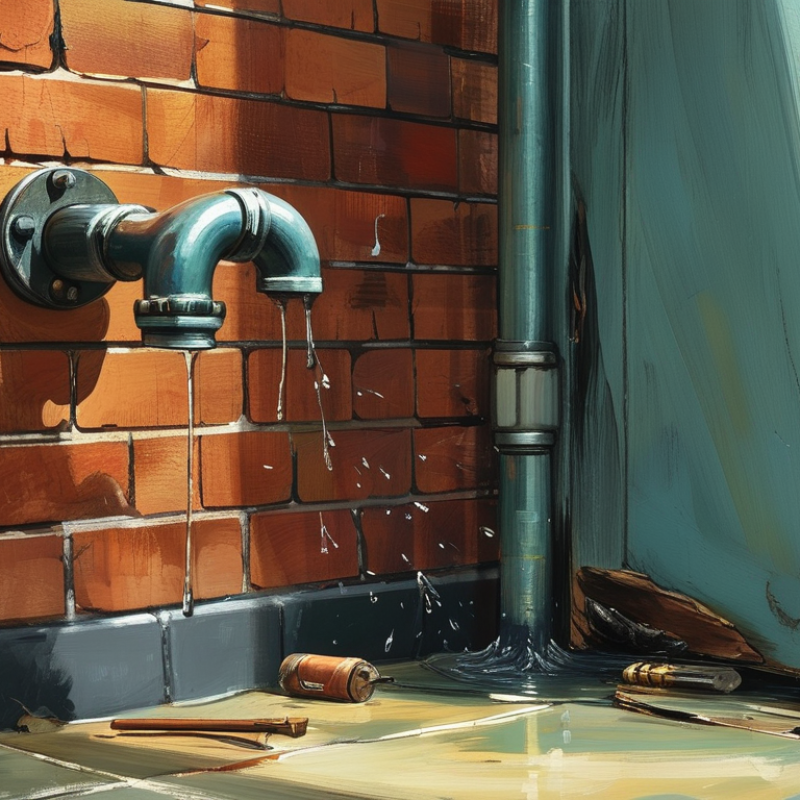
Homeownership comes with its share of responsibilities, and plumbing issues rank high among them. According to a report by the American Society of Home Inspectors, around 18% of home inspection reports highlight plumbing deficiencies. This statistic underscores the significance of acquiring basic plumbing skills. Learning to fix a leaking pipe can save homeowners considerable money on repairs and prevent water damage.
Basic plumbing skills not only empower homeowners but also build confidence. A small leak, if unchecked, can lead to damage costing thousands of dollars. In 2020 alone, the average cost to fix a plumbing leak was about $500, according to HomeAdvisor. Armed with basic knowledge, homeowners can address minor leaks swiftly, perhaps with just a wrench and some tape. This ability reduces dependency on professionals for every small issue, leaving substantial savings.
Moreover, the rise of DIY culture encourages homeowners to engage hands-on. Yet, many resist learning, fearing they might make mistakes. Everyone stumbles at first, and that's part of the learning curve. It’s essential to understand that even the most adept plumbers started with simple repairs. There’s room to grow, and with practice, the once daunting tasks become manageable. Embracing the challenge can enhance a homeowner's expertise and overall property management.
Leaky pipes can cause significant water waste. Research shows that a single dripping faucet can waste over 3,000 gallons a year. That’s roughly enough water to fill a swimming pool. For households, this waste adds up, leading to higher utility bills. A slight leak might seem insignificant, but water loss can escalate quickly.
Besides financial impact, leaky pipes pose environmental concerns. An estimated 1 trillion gallons go to waste annually in the United States alone. This situation harms local ecosystems, contributing to water shortages. Even small leaks affect overall water availability. People must recognize the urgency behind repairing leaks promptly.
Repairing a leaky pipe is a straightforward skill to learn. The process often involves just a few tools. Understanding pipe materials and fittings is essential. You may make mistakes initially, but this learning experience leads to better home maintenance skills. Regularly checking for leaks can reduce water waste significantly. The effort put into fixing leaks ultimately benefits everyone.
| Statistic | Value | Impact |
|---|---|---|
| Average household leaks waste | 10,000 gallons per year | Could supply drinking water for 10 people for a year |
| Percentage of homes with leaks | 10% | Widespread issue in urban areas |
| Total water wasted in the U.S. due to leaks | 1 trillion gallons per year | Equivalent to the annual water usage of Los Angeles |
| Average cost of water from leaks | $300 per year | Increased utility bills for homeowners |
| Percentage of leaks from bathroom fixtures | 27% | Major source of household water waste |
Identifying the source of a leak in your home can seem daunting, but it’s vital for effective repairs. Start by inspecting visible pipes in areas like basements or under sinks. Look for signs of water stains, mold, or moisture. These can indicate where a leak may originate.
Sometimes, leaks are less obvious. Check walls, ceilings, and floors for slight discoloration or dampness. A wet spot could be a clue leading to your leak's source. If you suspect a leak behind a wall, consider using a moisture meter for accuracy.
Tips: Use a flashlight to spot hidden leaks in dark spaces. Look for rust on pipes, as it signals potential trouble. If water pressure seems weak, a leak might be draining your system.
Don’t shy away from seeking help if needed. Your DIY attempts will improve with practice. Document your findings. This information is essential if you consult a professional later. Remember, managing a leak promptly can save you time and money in the long run.
When tackling a leaking pipe at home, having the right tools is essential. A pipe wrench is a must-have. It provides grip and leverage for loosening stubborn fittings. According to the Plumbing-Heating-Cooling Contractors Association, 57% of homeowners have faced plumbing issues that could be fixed with basic tools. A pipe cutter is another critical tool. This allows for clean cuts on copper or PVC pipes, ensuring a tight seal once repairs are made.
Don’t overlook the importance of Teflon tape. This simple material can greatly reduce leaks at threaded connections. It’s effective and easy to apply, making it perfect for DIYers. A study by the American Society of Plumbing Engineers indicates that nearly 30% of all plumbing issues stem from improper sealing techniques. Homeowners may underestimate the value of quality materials for repairs.
Many also find themselves lacking confidence in using these tools. Familiarizing yourself with each tool's function is crucial. Practice can turn apprehension into efficiency. Flushing out fear is a step toward mastering home repairs. A leaking pipe doesn't have to lead to disaster; often, it’s a chance to build your skills. Understanding tools and their effective use will empower you in these situations.
Fixing a leaking pipe at home can save you significant money. Hiring a professional plumber often comes with high costs. These expenses can quickly add up, ranging from service fees to hourly rates. Many small repairs are manageable for a homeowner with basic tools and some guidance. Learning these skills may seem daunting at first, but the potential savings are worth the effort.
Every homeowner has faced unexpected leaks. It’s unsettling to see water pooling under a sink or dripping from a ceiling. Each minute a leak goes unfixed can lead to more damage and higher bills. By tackling these repairs yourself, you can avoid the costly call to a plumber. Even if you misstep initially, the experience will deepen your understanding of your home’s plumbing systems.
Taking on the repair might not turn out perfect. Your first attempt might result in a minor mistake, like a loose fitting or improper sealing. But that’s okay. Each error can be a learning opportunity. Over time, your confidence and skills will grow. This journey of fixing your leaks will not only save money but also enable you to feel empowered as a homeowner.
: Basic plumbing skills can save money and prevent costly water damage. They empower homeowners to address minor issues.
About 18% of home inspection reports reveal plumbing deficiencies, highlighting potential problems homeowners may encounter.
Inspect visible pipes for water stains or moisture. Check walls, ceilings, and floors for damp spots or discoloration.
Basic tools like a wrench and tape can fix small leaks. These are often all that’s needed for quick repairs.
Use a moisture meter for hidden leaks or seek help if necessary. Document your findings for future reference.
Yes! Everyone starts somewhere. Practice can turn daunting tasks into manageable ones, building your confidence over time.
Mistakes are part of the process. Even experienced plumbers faced challenges early in their careers. Keep trying!
Use a flashlight in dark areas and look for rust on pipes. Weak water pressure may also indicate a leak.
Water stains, mold, moisture, or weak water pressure are common signs that suggest there may be a plumbing problem.
Absolutely! Don’t hesitate to ask for help. Your DIY skills can grow with practice, but professionals offer valuable expertise.
Learning how to fix a leaking pipe at home is an essential skill for every homeowner. Understanding basic plumbing can save valuable resources and prevent costly water waste, as statistics show that leaky pipes can significantly contribute to increased water bills and environmental impact. By knowing how to identify the source of a leak and having the right tools at hand, homeowners can effectively tackle minor plumbing issues themselves.
The process of DIY pipe repair not only empowers individuals with practical skills but also offers substantial cost savings when compared to hiring a professional plumber. By following a step-by-step guide, anyone can gain confidence in addressing plumbing problems, ensuring their homes remain in good condition while minimizing expenses. Ultimately, mastering this skill can lead to both financial benefits and a more self-sufficient lifestyle.

Booka Tool