Precision-engineered hardware and professional tool organization systems for global distribution.
In modern industrial, construction, and DIY operations, the efficiency of the workforce is directly linked to how hand tools are stored, carried, and accessed on-site. Tool belts represent a vital component of personal protective and utility equipment, offering hands-free access to essential gear, reducing musculoskeletal strain, and optimizing on-the-job productivity. As global construction activity, electrical infrastructure upgrades, and specialized technical trades expand worldwide, the demand for high-durability, ergonomically designed, and task-specific tool belts is reaching unprecedented heights.
Sourcing departments of major home improvement centers, global hardware brands, and distributors face the challenge of securing manufacturing partners that can deliver premium quality products at scale. China’s manufacturing ecosystem, centered heavily in advanced industrial zones like Guangdong, Zhejiang, and Jiangsu, continues to lead global production. By combining deep raw material supply chains, automated sewing technologies, and strict adherence to international quality management systems, Chinese tool belt factories offer a unique mix of high-volume efficiency and highly customized OEM/ODM engineering capabilities.
When purchasing departments transition their manufacturing pipelines to premium Chinese suppliers, they unlock several structural advantages that directly influence their bottom line and product performance in highly competitive retail and B2B markets:
Factories leverage access to high-grade polymers, dual-thread 1680D ballistic nylon, micro-fiber leather replacements, and high-density EVA structural padding to manufacture comfortable yet practically indestructible gear.
Utilizing state-of-the-art CAD modeling and automated material cutting patterns, Chinese suppliers can transform conceptual designs and spec sheets into physical pre-production samples within 7 to 10 working days.
Because these factories operate in close proximity to major hardware component clusters, they easily source rust-proof steel rivets, custom-molded heavy-duty quick-release buckles, and integrated magnetic fastener modules.
Modern tool belts are no longer generic multi-pockets. Industry trends dictate highly customized variations tailored to specific environments:
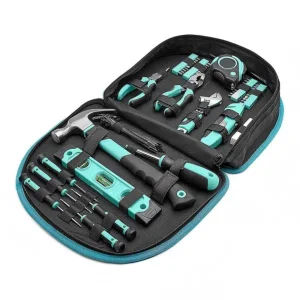
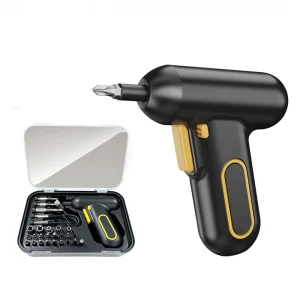
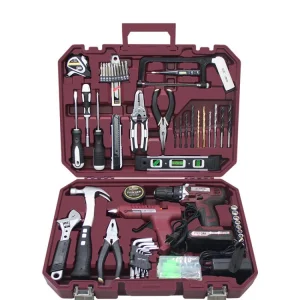
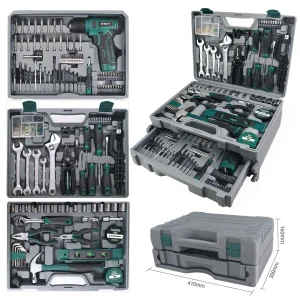
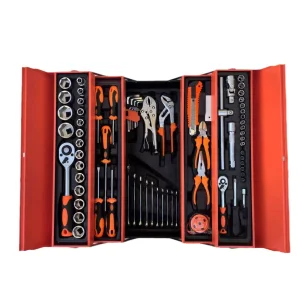
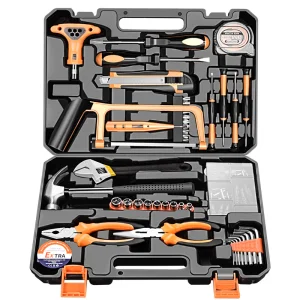
Foshan Booka Tool Co., Ltd. is a professional manufacturer specializing in home repair tools, DIY household maintenance equipment, and multi-function repair tool kits. The company focuses on providing practical, durable, and user-friendly tool solutions designed for homeowners, DIY enthusiasts, and light maintenance professionals.
Since its establishment, Booka Tool has developed from a small local workshop into a dedicated household tool manufacturer serving both domestic and international markets. In its early stage, the company mainly produced basic hand tools for home maintenance and small repair tasks. With the growing demand for DIY home improvement solutions, the company expanded its production scope and began developing multi-functional tool kits designed for a wider range of household repair scenarios.
During its growth phase, Foshan Booka Tool invested in product engineering improvements, ergonomic handle design, and durable material selection to enhance user safety and efficiency. The company gradually built a complete production system including stamping, molding, assembly, and quality inspection processes to ensure consistency and reliability across all product lines.
Today, Booka Tool serves global customers including DIY retailers, hardware distributors, e-commerce platforms, and home improvement brands. Its product systems cover general home repair tools, plumbing and electrical maintenance tools, furniture assembly solutions, and emergency repair kits. With a continued focus on innovation, practicality, and cost-effectiveness, Foshan Booka Tool Co., Ltd. aims to become a trusted global supplier in the home repair tools industry, providing efficient DIY solutions that help users complete household maintenance tasks more easily and safely.
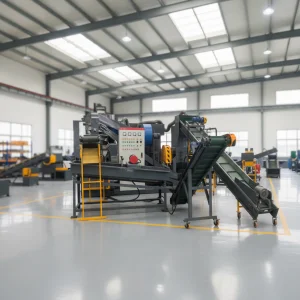
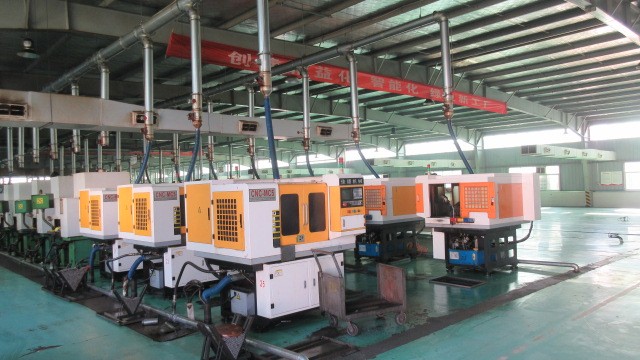
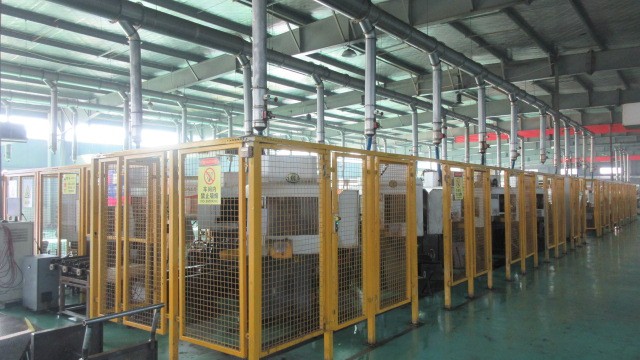
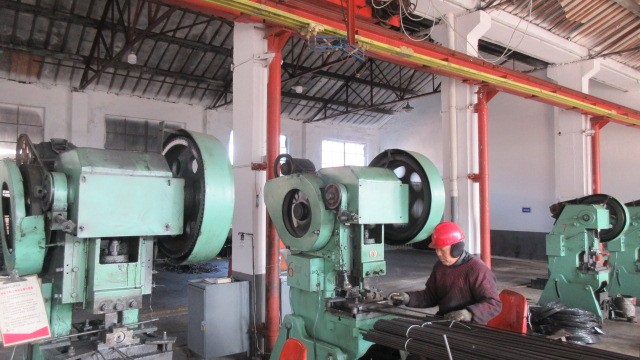
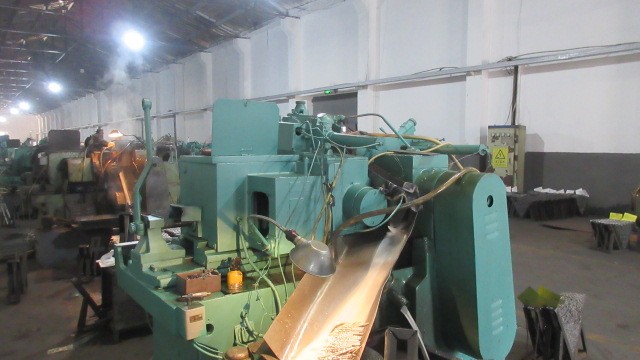
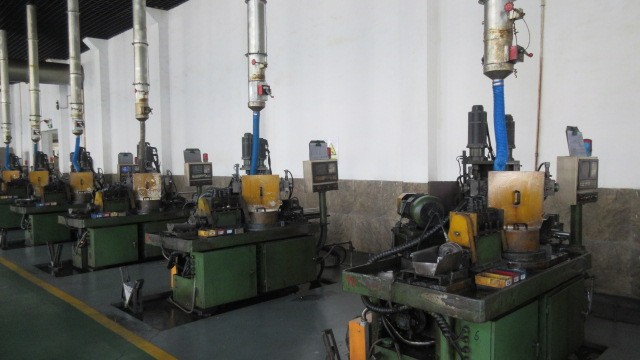
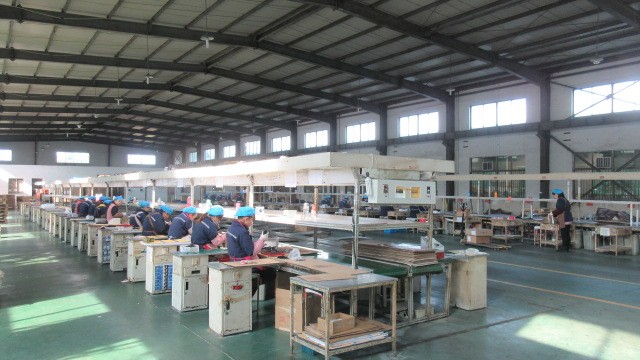
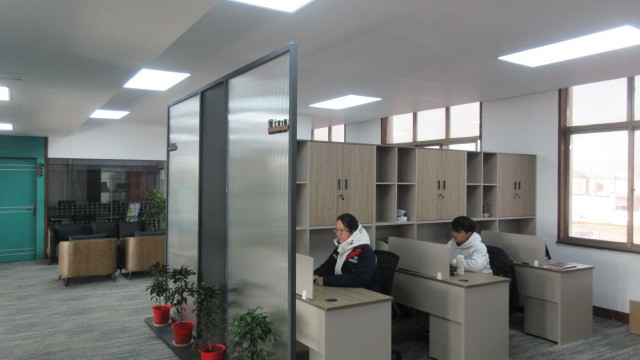
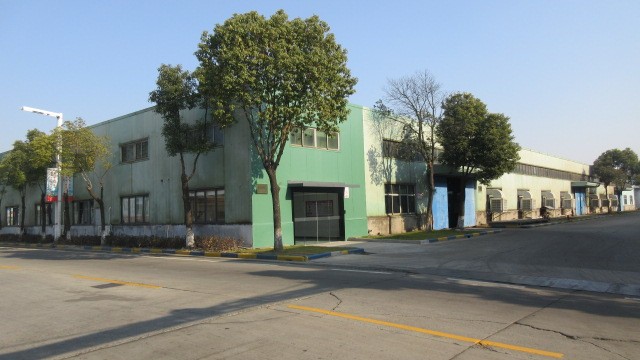
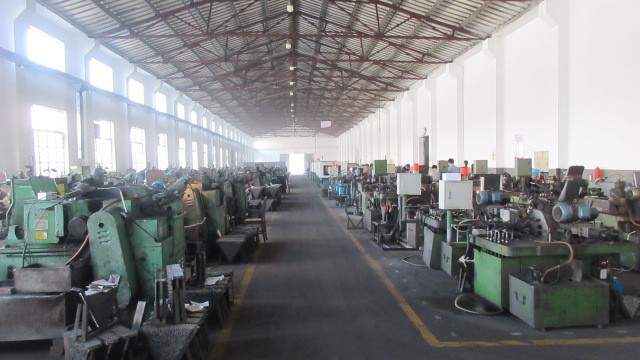
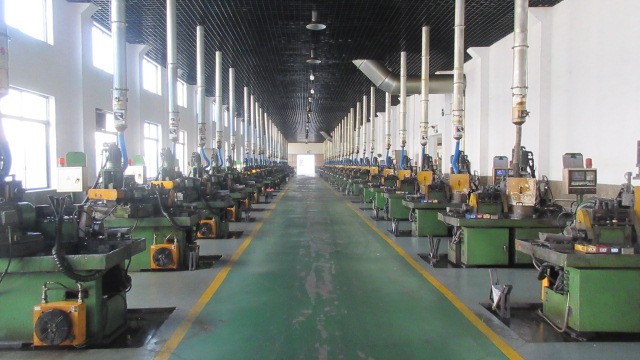
Our advanced production workshops employ rigorous engineering standards to guarantee the longevity of our tools, organizer tool cases, and related hardware kits. Below is an inside look at our manufacturing infrastructure, assembly lines, raw material quality checks, and product verification processes:
For procurement managers and quality assurance teams, choosing the correct material specifications is the single most important factor determining customer satisfaction and reduction of product returns. Understanding the structural properties of raw fabrics commonly used in industrial tool bags and belts is key:
Originally developed for military flak jackets, ballistic nylon is a synthetic fabric woven in a basketweave pattern. The "D" stands for Denier, measuring linear mass density. 1680D Ballistic Nylon offers double the thread density of 840D, providing maximum resistance against tears, punctures, and abrasive friction. High-end electrical and heavy construction rigs rely exclusively on 1680D fabric coated with water-repellent polyurethane (PU) or thermoplastic elastomer (TPE) on the interior surface.
Cotton duck canvas remains a popular alternative for traditional builders. It boasts high breathability, becomes more comfortable as it ages, and naturally conforms to the wearer's waist shape. However, canvas requires chemical treatments to achieve rot resistance, mold prevention, and water resistance, making it ideal for dry climates and general woodwork.
Leather tool pouches represent the gold standard for premium carpenter tool systems. Oil-tanned leather offers native waterproofing, remains flexible in sub-zero winter temperatures, and resists punctures from sharp fasteners (nails/screws) better than synthetic fabrics. Our manufacturing network sources premium cowhide, verified through global environmental standards, ensuring strict mechanical thickness and grain consistency.
A tool belt's failure point is rarely the fabric surface; it is almost always the seams, pocket joints, or hardware attachments. To mitigate this risk, premium Chinese manufacturers implement specific reinforcement methodologies:
Global B2B buyers have varying requirements based on their sales channels and geographic target markets. Our supply chains offer custom solutions optimized for three major procurement channels:
For distributors serving professional contractors. We implement customized raw materials, ANSI-standard quality verification, strict visual quality control, and branded co-molded heavy-duty buckles designed for commercial use.
Optimized for fast-turnaround retail. We provide lightweight, eco-friendly mailer box packaging, optimized shipping weight profiles, direct FBA preparation (barcoding & palletizing), and rapid small-batch manufacturing capability.
Tailored for massive infrastructure, mining, or telecommunication conglomerates. Customized safety colors (Hi-Vis orange/green with retroreflective piping), custom tool sets integration, and batch certification reports.
To ensure smooth customs clearance and maintain retail distribution agreements, our factory partners run complete laboratory testing setups covering all major parameters:
Addressing key concerns of procurement managers, shipping coordinators, and distribution partners.
For standard designs utilizing in-stock fabrics (like black or high-visibility yellow 600D/1680D nylon), the standard MOQ is typically 500 units per style. For custom color matching, proprietary hardware configurations, or customized leather molds, the MOQ is 1,000 units per production run to offset specialized machine setups.
We employ a strict four-step quality verification process: Incoming Quality Control (IQC) tests raw fabrics and hardware; Input Process Quality Control (IPQC) monitors cutting, sewing, and rivet application on active assembly lines; Finished QC (FQC) checks 100% of stitching and pocket alignment; and Outgoing Quality Control (OQC) performs statistical sampling based on AQL 2.5 standards prior to export boxing.
Yes. We offer comprehensive ODM customization. We can mold custom logos into PVC rubber badges, embroider logos directly onto the nylon webbing, laser-etch steel buckle plates, or custom-mould plastic quick-release buckles with your company's signature brand identifier.
Upon sample approval and deposit confirmation, bulk production takes 30 to 45 days depending on the complexity of the order. Transit time varies by mode and destination: Express air shipping takes 5–8 days, LCL/FCL ocean freight takes 15–20 days to West Coast North America/Southeast Asia, and 30–35 days to European ports.
Yes, our raw material sourcing partners provide REACH-certified fabrics, heavy metal-free buckles (RoHS compliance), and phthalate-free coatings ensuring full compliance with California Proposition 65 and European chemical restrictions. Testing certificates from SGS or TÜV Rheinland can be arranged upon project kickoff.
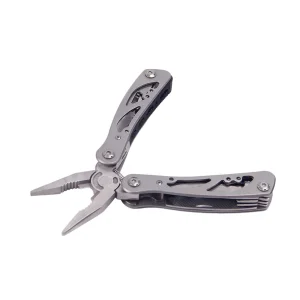
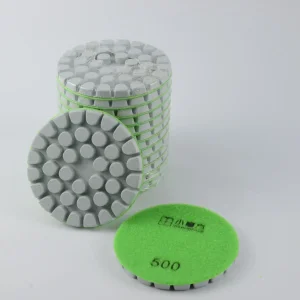
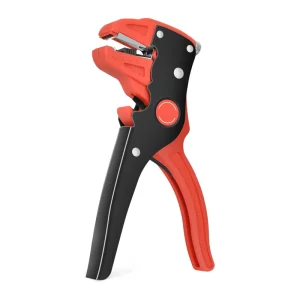
Complementary hand tools, electrical accessories, and storage systems designed to maximize workplace efficiency.
 Booka Tool