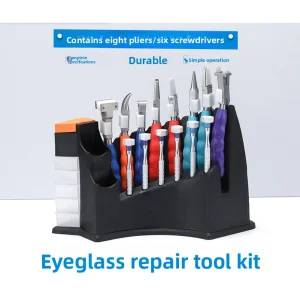
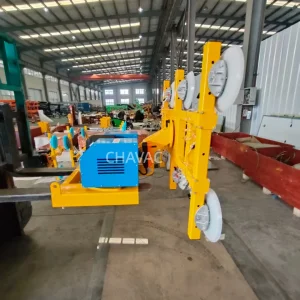
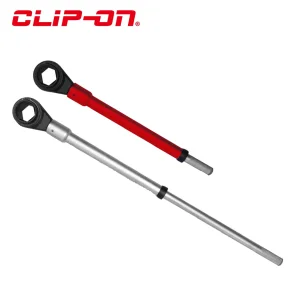
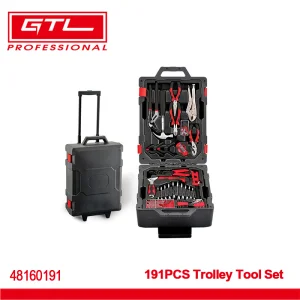
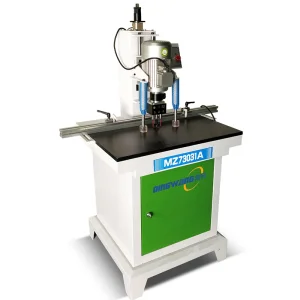
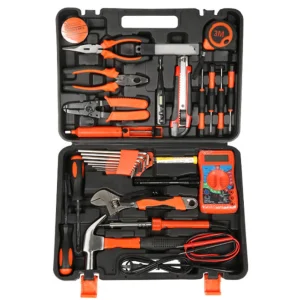
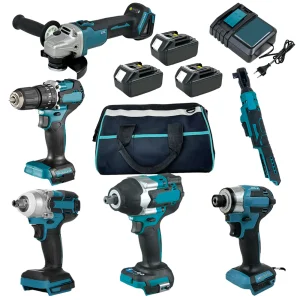
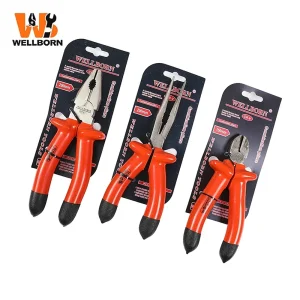
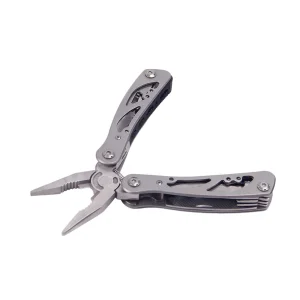
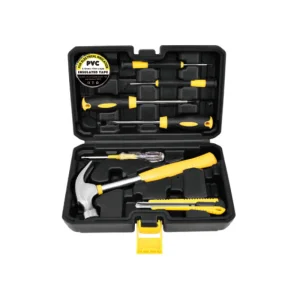
Discover our top-tier manufacturing capabilities across versatile hand tools, custom repair sets, and light industrial equipment integrations.
An in-depth analysis of energy density milestones, procurement challenges, and structural engineering paradigms for B2B global buyers.
The global power tool industry is undergoing an unprecedented shift toward cordless, high-discharge lithium-ion platforms. Driven by advancements in brushless DC (BLDC) motor technology and high-drain cylindrical cells (such as the 18650 and 21700 formats), professional users now demand performance parity with corded mains-powered tools. Industrial job sites require machinery that operates under high load limits without sagging voltage. As a result, tool manufacturers are transitioning from legacy 12V and 18V architectures to multi-volt configurations, including 36V, 54V, and even 80V platforms. These systems enable lower current draws for equivalent power outputs, reducing thermal stress on cells and prolonging tool lifespan.
Furthermore, sustainability mandates in Europe and North America are accelerating the phase-out of internal combustion engines in outdoor power equipment (OPE). This shifts the focus toward high-voltage, high-capacity customized lithium battery packs capable of matching small-engine torque curves. In this landscape, securing a robust OEM battery partner with proven engineering and manufacturing capability is essential for establishing market dominance.
Industry data indicates a 14% year-over-year transition of industrial hand tool systems toward integrated 21700 cell formats, yielding up to 50% higher current throughput and enhanced run times compared to legacy 18650 solutions.
Global enterprise procurement for cordless tool systems involves strict regulatory checks, compliance verification, and performance audits. For purchasing managers and engineers at top-tier tool brands, sourcing a battery pack goes beyond simple cell integration. Key technical specifications include:
Our OEM battery manufacturing and tool integration capabilities are backed by rigorous quality standards and high-volume output capacity.
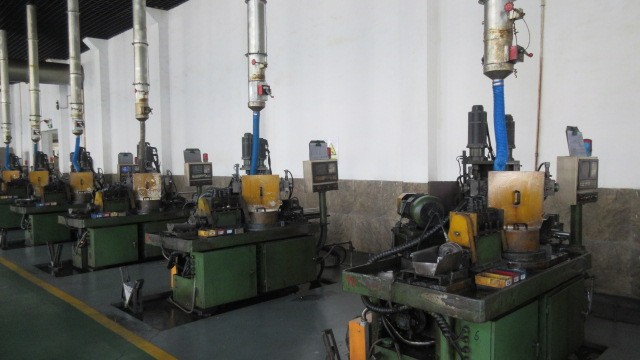
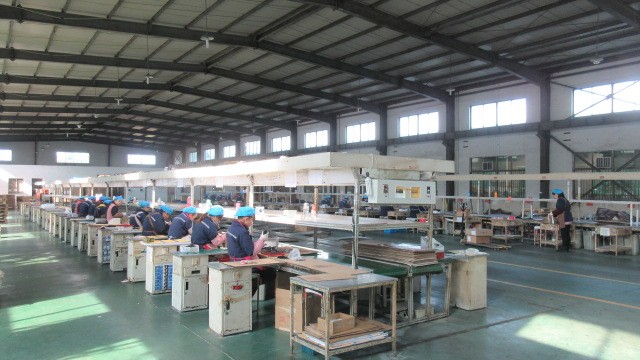
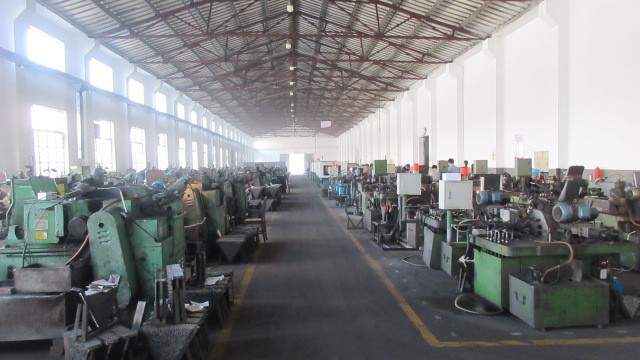
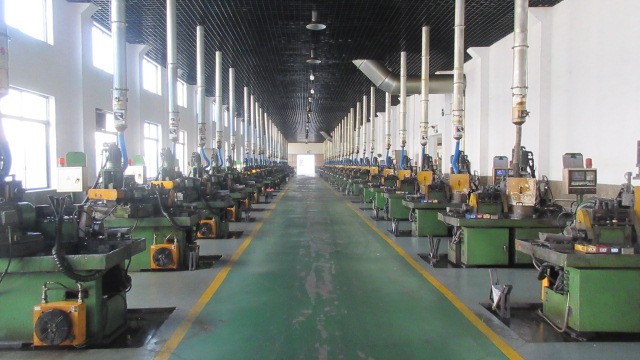
Industrial dominance in the power tool sector relies heavily on supply chain integration. The Foshan industrial cluster, backed by China's Factory 4.0 automation, offers unmatched production efficiencies. Integrating precision tool manufacturing with advanced lithium battery pack assembly creates a highly optimized production pipeline. At this scale, raw materials are converted to finished, tested power tool assemblies within a single, integrated regional footprint.
Advanced cell-matching machinery sorts incoming cylindrical cells by internal resistance (IR) and open-circuit voltage (OCV) at a speed of thousands of cells per hour. Automated double-sided spot welding systems utilize high-frequency transistor power supplies to guarantee consistent weld joints, minimizing contact resistance and avoiding micro-cracks under drop tests. In-house injection molding facilities produce high-strength glass-filled nylon and polycarbonate housings that achieve UL94-V0 flammability ratings while providing robust structural protection against drop impacts on construction sites.
Modern industrial and commercial environments present challenging operational conditions for lithium-ion battery packs. Extreme temperatures on job sites, high-frequency vibrations in construction tools, and sudden mechanical loads require multi-layered safety mechanisms. Advanced battery pack design begins with multi-stage electrical protection:
Delivering high-performance, compliant, and cost-effective battery pack integrations for professional power tool manufacturers globally.
We partner with top-tier global cell manufacturers and high-quality local suppliers (EVE, Lishen, Bak) to ensure that all cells meet specifications for capacity, discharge rate, and cycle life.
Our engineering team designs custom PCBA layout configurations featuring active cell balancing, multi-channel NTC thermal sensors, and high-performance communication protocols tailored to your tool systems.
Every OEM battery pack undergoes extensive testing protocols, including high-impact drop tests, simulated vibration profiles, environmental thermal chamber exposure, and complete charge-discharge cycling.
Industrial tool batteries operate in a wide variety of localized conditions. Customization must account for these different applications:
Cold-Weather Outdoor Operations: For cordless saws and utility tools used in cold regions (such as Northern Europe and Canada), battery chemistry must be optimized to prevent electrolyte sluggishness. Standard lithium cells can lose up to 50% of their runtime at sub-zero temperatures. We design low-temperature discharge profiles using specialized cell chemistries and insulated housing designs to ensure consistent performance down to -20°C.
High-Vibration Environments: Demolition hammers, impact wrenches, and rotary drills generate continuous, high-amplitude vibrations. Standard battery packs can experience fractured weld joints or internal contact wear. Our high-vibration solutions feature cell-retaining modular cages, thick nickel strip connectors, and shock-absorbing elastomeric bumpers to isolate the cells from mechanical fatigue.
Dust and Moisture-Heavy Environments: On construction sites and in outdoor landscaping, tools are frequently exposed to rain, humidity, and concrete dust. Our custom OEM enclosures are engineered with conformal coatings on the BMS PCBA, silicone gaskets, and drainage channels, achieving IP56 and IP67 ratings to protect against dust ingress and high-pressure water jets.
Looking ahead, the power tool battery landscape is set to evolve beyond standard cylindrical formats. Lithium metal polymer pouch cells are increasingly being integrated into professional power tools. Pouch cells offer lower internal impedance, higher power density, and a flexible form factor, allowing for more ergonomic tool handle designs. This technology enables tools to run cooler while delivering higher current under peak loads.
Additionally, solid-state battery technology represents the next major milestone in safety and energy density. By replacing the liquid electrolyte with a solid conductive medium, these packs eliminate the risk of leaks and thermal runaway. While solid-state technology is currently in the pilot phase, smart OEM factories are already preparing assembly configurations to integrate these cells as soon as they become commercially viable.
Explore our complete product ecosystem, designed to combine high-performance mechanical design with advanced electrical engineering.
Direct, technical answers addressing cell selection, certification protocols, shipping compliance, and thermal engineering.
We work with a variety of cell manufacturers based on the application requirements. For heavy-duty professional tools, we source high-drain cylindrical cells from Tier-1 brands like Samsung SDI (e.g., 25S, 30T), LG Chem, and Murata. For budget-conscious consumer tool kits, we source Grade-A, UL-listed cells from reputable Chinese manufacturers such as EVE, Lishen, and Bak. These cells are matched for internal resistance and voltage capacity to ensure balanced performance across the pack.
Our custom-engineered Battery Management Systems (BMS) utilize multi-layer protection circuits. Over-current detection responds within microseconds to prevent short circuits or excessive motor draw from damaging the cells. Dual NTC thermistors continuously monitor the temperature of the cell matrix and the MOSFETs. If the temperature exceeds safe thresholds (typically 60°C during charging and 65°C during discharging), the BMS temporarily shuts down current flow until thermal conditions normalize.
All of our battery pack designs are tested to meet international shipping and distribution standards. This includes UN38.3 certification for air and ocean freight safety. For market access, we assist in securing UL2595 compliance for North America, CE and EN62133 certifications for the European Union, and PSE compliance for Japan. We provide full documentation packages to streamline compliance checks for global distributors.
To withstand mechanical shock and vibration, we build packs using rigid cell guides made of flame-retardant ABS/PC materials. This eliminates cell-to-cell contact and prevents friction wear. Weld connections are made with thick, pure nickel plates and secured using automated dual-pulse transistor spot welding. Additionally, shock-absorbing silicone pads are positioned inside the housing to isolate the PCB and the cells from structural vibrations.
Yes. Our advanced BMS designs can be configured with Bluetooth or NFC connectivity. This allows tool operators to monitor battery health, cycle count, state of charge (SoC), and diagnostic fault codes in real time via a smartphone app. This capability is highly valuable for industrial tool fleet management and preventative maintenance programs.
The initial prototyping and BMS development phase typically takes 4 to 6 weeks. This includes schematic design, sample PCBA assembly, and initial cell configuration testing. Once prototypes are approved, plastic injection mold fabrication and safety certifications take 8 to 12 weeks. Mass production lead times generally range from 30 to 45 days, depending on cell availability and order volume.
Bridging traditional hardware reliability with modern electronic and battery-powered integrations.
Foshan Booka Tool Co., Ltd. is a professional manufacturer specializing in home repair tools, DIY household maintenance equipment, and multi-function repair tool kits. The company focuses on providing practical, durable, and user-friendly tool solutions designed for homeowners, DIY enthusiasts, and light maintenance professionals.
Since its establishment, Booka Tool has developed from a small local workshop into a dedicated household tool manufacturer serving both domestic and international markets. In its early stage, the company mainly produced basic hand tools for home maintenance and small repair tasks. With the growing demand for DIY home improvement solutions, the company expanded its production scope and began developing multi-functional tool kits designed for a wider range of household repair scenarios.
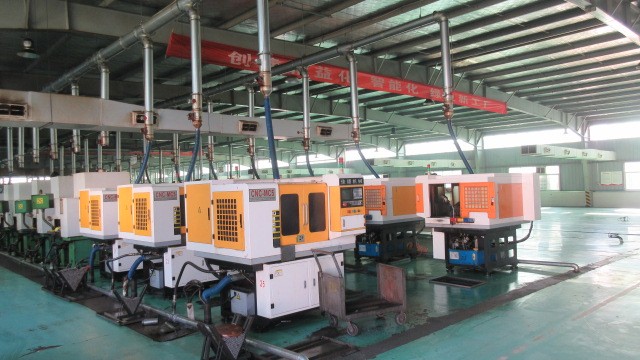
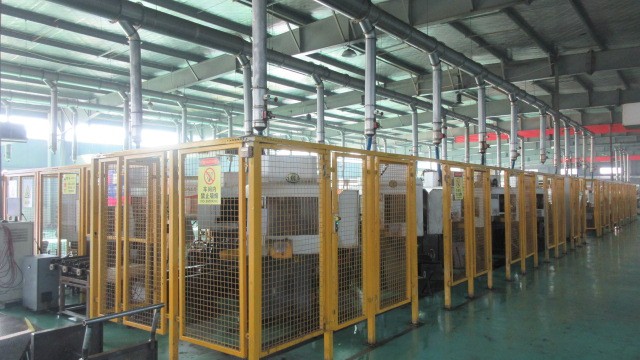
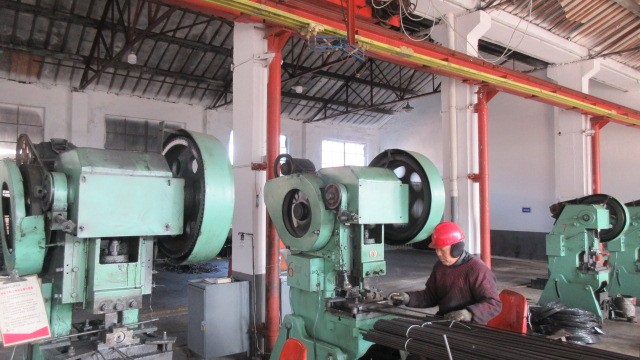
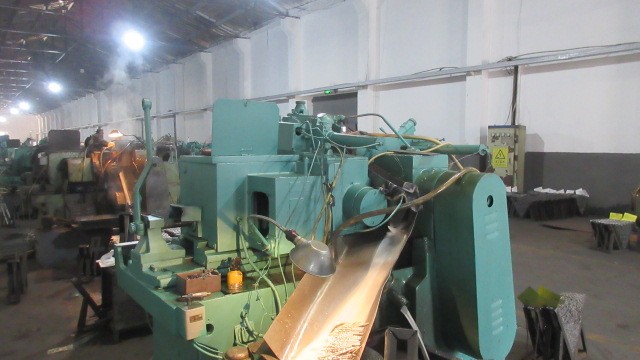
During its growth phase, Foshan Booka Tool invested in product engineering improvements, ergonomic handle design, and durable material selection to enhance user safety and efficiency. The company gradually built a complete production system including stamping, molding, assembly, and quality inspection processes to ensure consistency and reliability across all product lines.
Today, Booka Tool serves global customers including DIY retailers, hardware distributors, e-commerce platforms, and home improvement brands. Its product systems cover general home repair tools, plumbing and electrical maintenance tools, furniture assembly solutions, and emergency repair kits. With a continued focus on innovation, practicality, and cost-effectiveness, Foshan Booka Tool Co., Ltd. aims to become a trusted global supplier in the home repair tools industry, providing efficient DIY solutions that help users complete household maintenance tasks more easily and safely.


 Booka Tool