2026 Best Furniture Tips Why Is My Furniture Unstable?

Time:2026-10-08 Author:Madeline
0%

Furniture should feel solid, quiet, and predictable. Yet many owners eventually ask, “why is my furniture becoming unstable?” A rocking bookcase, a table that shifts on one corner, or a chair with loose joints can signal more than poor assembly. Uneven flooring, shrinking wood, worn fasteners, overloaded shelves, and repeated movement can all reduce stability. Small gaps often become noticeable after months of daily use.

Industry guidance supports a careful approach. The U.S. Consumer Product Safety Commission identifies furniture tip-over as a preventable household hazard, especially when tall units remain unsecured. ANSI/BIFMA stability standards also use controlled loading and tipping tests to evaluate commercial furniture performance. These standards do not guarantee that every home setup will remain safe. Real rooms have rugs, sloping floors, humidity changes, and children pulling on drawers.

This guide combines practical inspection methods with reliable safety principles. Check each leg against the floor. Look for stripped screws, cracked connectors, swollen panels, and drawers that pull the cabinet forward. A simple paper test can reveal an uneven contact point, but it cannot replace a professional assessment when the frame is damaged. Sometimes the first repair is only tightening hardware. Sometimes it exposes a deeper design problem. That distinction matters.

Expect useful answers, not instant blame. Furniture can become unstable through ordinary wear, incorrect assembly, or an unsuitable location. The following tips explain how to identify the cause, reduce immediate risk, and decide when replacement is safer than another quick fix.
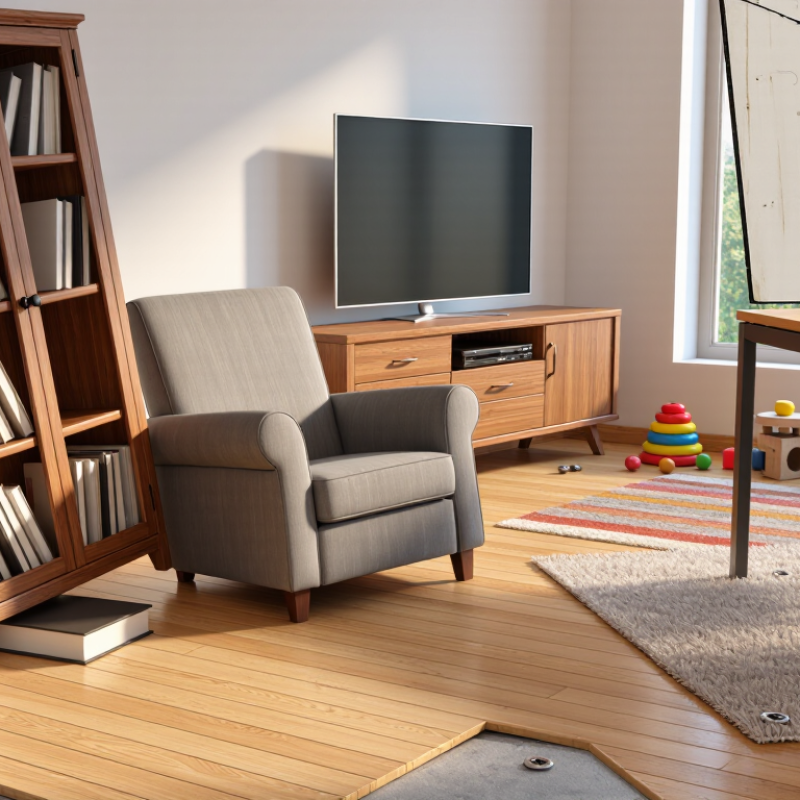
2026 Best Furniture Tips Why Is My Furniture Unstable?

Common Causes of Unstable Furniture

2026 Best Furniture Tips: Why Is My Furniture Unstable?

Common Causes of Unstable Furniture

Unstable furniture usually begins with an uneven floor, loose joints, or overloaded shelves. A cabinet may look level but still rock because one foot sits on a grout line. Missing washers, worn glides, and partially tightened bolts create similar movement. Check each connection by hand. Do not rely on appearance alone.

The Consumer Product Safety Commission reported 71 furniture tip-over deaths from 2018 through 2020. Forty-nine victims were children aged six or younger, according to its 2022 furniture tip-over report. These figures show why stability is a safety issue, not merely a comfort problem. Tall units become more vulnerable when heavy objects sit above shoulder height. Open drawers can shift the center of gravity forward. Wall anchoring, where suitable, reduces that risk.

Moisture and temperature changes can also distort wood-based panels. A damp room may swell one edge, while dry air can loosen older joints. The American National Standards Institute and the Business and Institutional Furniture Manufacturers Association use stability testing to assess tipping resistance, but household placement still matters. Keep heavy items low, distribute weight evenly, and inspect hardware every few months. I sometimes blame weak materials too quickly; the real cause may be a sloping floor or careless loading. Small details matter.

How to Inspect Furniture for Wobbling and Structural Damage

An unstable chair, table, or cabinet needs inspection before continued use. In practice, I first remove every item and place the furniture on a hard, level surface. A rug can hide the real cause. Press each corner gently, then test the opposite corners. Movement usually points to uneven feet, loose fasteners, or a weakened joint.

Look closely at screw heads, dowels, welds, and corner blocks. Fresh gaps, cracked wood, bent metal, or a clicking sound deserve attention. Check the back panel too; it often controls squareness. Open and close drawers slowly. They should not pull the frame sideways. The U.S. Consumer Product Safety Commission reported an estimated 71,300 emergency-department injuries involving furniture, televisions, and appliances tipping over among children under 18 from 2018 through 2022. That figure makes a small wobble harder to dismiss.

I once focused on a loose leg and missed a split joint beneath the seat. That was a useful reminder. Test the structure, not only the visible symptom. Tighten compatible fasteners carefully, but do not force stripped screws. Replace damaged hardware with correctly sized parts. For tall storage furniture, inspect the wall-attachment point and confirm that the anchor suits the wall material. Stop using the piece if it shifts under light pressure, leans, or shows spreading cracks. A temporary folded-paper shim may reduce movement, but it does not repair structural damage.

Step-by-Step Methods to Stabilize Different Furniture Types

Why Is My Furniture Unstable? Step-by-Step Methods to Stabilize Different Furniture Types

Loose furniture often begins with a small movement, such as a rocking chair leg or a shifting table joint. Check every screw, bolt, dowel, and joint by hand. Tighten fasteners gradually, because excessive force can damage wood or strip threads. Place the furniture on a firm, level surface. For uneven floors, use a thin rubber pad or wooden shim beneath the shortest leg. Cut the shim neatly, so it does not become a tripping hazard.

Tip: For chairs and tables, press each corner separately. If one corner lifts, measure the gap before adding support. A level helps, but your hand can detect movement faster. I once tightened a table without checking the floor, and the wobble returned the next day.

Tall cabinets and bookshelves need a different approach. Empty heavy items from the upper shelves first. Inspect the back panel and side joints, then tighten them carefully. Position the unit fully against the wall. Use a suitable anti-tip restraint fixed to a solid wall point, following the furniture’s instructions. Keep heavier books on lower shelves. Do not rely on weight alone.

Beds and sofas may move because of loose frames, worn feet, or uneven flooring. Remove cushions, check connecting brackets, and tighten each fastener evenly. Replace cracked feet instead of padding them repeatedly. Test the frame with gentle pressure from several directions. Stop if wood splits or metal bends. A stable repair should feel firm, not forced.

When to Repair, Replace, or Seek Professional Help

2026 Best Furniture Tips: Why Is My Furniture Unstable?

When to Repair, Replace, or Seek Professional Help

An unstable table or chair usually has a clear physical cause. Check loose screws, uneven legs, cracked joints, and worn floor glides. Place the item on a flat surface and gently press each corner. A small movement may need a simple repair. Tighten fasteners carefully, but do not force them. Excess pressure can strip the wood or damage the hardware. I have seen people add folded paper under a leg, which works briefly but hides the real problem.

Tips: Empty the furniture before testing it. Mark loose joints with removable tape. Use a level for cabinets and shelves. For wooden pieces, inspect cracks around joints and screw holes. A repair is suitable when the frame remains solid and the damage is limited. Replace the furniture when the frame bends, the material splits deeply, or repeated repairs fail. Stability matters more than appearance.

Seek professional help when a tall cabinet leans, a bed frame separates, or a chair creaks under normal weight. Wall anchoring may also require proper assessment, especially in homes with children or uneven walls. Stop using the item if it shifts suddenly, produces sharp cracking sounds, or shows serious structural damage. My own inspection habits are not perfect; I sometimes focus on the loose screw and miss a weakened joint. A second opinion can prevent a minor defect from becoming an injury.

2026 Best Furniture Tips: Why Is My Furniture Unstable? — When to Repair, Replace, or Seek Professional Help

A practical inspection guide for identifying common causes of furniture instability and choosing the safest next step.

Observed problem Likely cause Immediate safety action Repair is usually appropriate when… Replacement is safer when… Professional help recommended?
One leg rocks on a hard, level floor A loose fastener, uneven foot, worn glide, or slightly distorted joint. Stop using the item if it rocks significantly. Remove heavy objects before inspection. The frame is sound and the problem can be corrected by tightening hardware, replacing a glide, or fitting a proper furniture leveler. The leg is split, the mounting area is crushed, or the frame remains unstable after adjustment. Usually not, unless the leg attachment is damaged or the furniture supports a person at height.
Chair or stool wobbles when occupied Loose screws, weakened dowels, separated joints, or a cracked seat-support connection. Do not sit on it until all joints and load-bearing parts have been checked. The joints are intact and can be properly re-glued, clamped, and secured with suitable hardware. A load-bearing rail, seat frame, back post, or leg is cracked, split, or missing material. Yes, when structural joints are damaged or the chair is used frequently by children, older adults, or anyone at increased fall risk.
Table shakes from side to side Loose leg-to-apron connections, missing corner blocks, uneven legs, or a warped top or base. Clear the table and avoid leaning on it until the base is stable. Fasteners can be tightened without stripping, and the wood or metal around the joint is not cracked or deformed. The base is bent, welds are broken, the top has severe structural splitting, or repairs would not restore rigidity. Recommended for large, heavy, extendable, glass-topped, or load-bearing tables with damaged joints.
Bookcase or cabinet leans forward or sideways Uneven flooring, overloaded shelves, a warped cabinet, or missing anti-tip restraint. Remove heavy items, keep children away, and place heavier contents on lower shelves. The case is square, shelves are intact, and the issue is corrected by leveling and securing the unit to a suitable wall structure. The side panels, back, shelves, or base are split, swollen, badly warped, or no longer hold fasteners securely. Yes for tall or heavy units, masonry or unusual wall construction, concealed services, or uncertainty about safe anchoring.
Drawer or door makes the cabinet shift A drawer is overloaded, runners are damaged, hinges are loose, or the cabinet has lost its square shape. Remove contents from the affected compartment and do not force the drawer or door. The cabinet body is sound and damaged runners, hinges, or screws can be replaced or adjusted. The cabinet has water damage, swollen particleboard, separated panels, or repeated movement after hardware repair. Helpful when the unit is built-in, unusually heavy, or part of a larger wall-storage system.
Bed frame creaks, shifts, or separates Loose rail fasteners, worn center support, damaged slats, or a weakened corner connection. Stop using the bed if the rails separate, slats move, or the center support no longer contacts the floor properly. The rails, slats, and supports are undamaged and the hardware can be tightened or replaced correctly. A rail, post, slat support, or center beam is cracked, split, bent, or permanently deformed. Yes when a main support has failed, the frame is antique or modified, or the repair must carry repeated sleeping loads.
Furniture has water swelling, mold, or a musty odor Water intrusion, prolonged dampness, or inadequate drying after a spill or leak. Separate it from dry furniture, avoid disturbing visible mold, and address the moisture source. The damage is superficial, the material is fully dried, and the frame remains structurally sound after assessment. Composite panels are swollen, veneer has delaminated, mold is extensive, or the material has lost strength. Yes for extensive mold, suspected contamination, structural water damage, or affected upholstered furniture.
Glass panel, mirror, or stone top is loose or cracked Failed supports, shifted clips, impact damage, thermal stress, or an unsuitable base. Keep people away, do not lift or press on the panel, and carefully isolate sharp fragments. Only the support hardware is loose and the panel itself is undamaged. The panel is cracked, chipped at a support point, flexing, or no longer fully supported. Always seek qualified professional assessment before reuse; replacement may be required.
Fastener spins without tightening Stripped threads, enlarged holes, missing inserts, or damaged surrounding material. Do not continue tightening; remove the load from the joint. A suitable replacement insert, bolt, screw, or reinforced joint can restore the original connection. The surrounding material is crumbling, the joint is load-bearing and enlarged, or reinforcement cannot be fitted securely. Recommended for structural joints, metal frames, reclining mechanisms, and parts exposed to repeated movement.
Furniture becomes unstable only on carpet or a soft floor Uneven compression, a thick rug pad, hidden floor irregularities, or feet with different heights. Test the furniture on a firm, level surface before adding weight or using it. The frame is stable on a hard level floor and the issue can be corrected with compatible leveling feet or a firm, properly sized pad. The furniture is unstable on every surface or the base is visibly damaged. Usually not, unless the item is very heavy, tall, built-in, or requires floor correction beyond simple leveling.

Quick Decision Rules

  • Repair when the frame is intact and the instability comes from loose, missing, or replaceable hardware.
  • Replace when load-bearing parts are cracked, split, badly warped, water-damaged, or unable to hold fasteners securely.
  • Seek professional help for glass or stone panels, tall storage units, built-in furniture, major structural damage, and extensive mold or water damage.
  • After any repair, test the furniture gradually on a level surface before returning normal loads or allowing regular use.

Furniture Placement and Maintenance Tips for Long-Term Stability

2026 Best Furniture Tips: Why Is My Furniture Unstable?

Furniture Placement and Maintenance Tips for Long-Term Stability

An unstable table often begins with poor placement, not poor construction. In my furniture inspections, uneven flooring causes many avoidable problems. Place each leg on a firm, level surface. Avoid soft rugs beneath heavy cabinets unless they have dense, stable backing. Keep tall furniture away from busy walkways and direct heating sources. Heat can dry wood and loosen joints over time.

Balance matters. Store heavier items on lower shelves. Distribute books across the shelf instead of loading one side. Leave enough space between furniture and walls for cleaning and inspection. Crowded corners make small movements harder to notice. Check doors, drawers, and hinges every few months. Loose screws should be tightened gently, not forced. Excess pressure may damage the material.

I once tightened a chair joint too aggressively. It felt secure, but the wood later showed a small split. That mistake changed my maintenance routine. I now inspect joints before using extra force. Place protective pads beneath movable furniture, but replace compressed pads when they flatten. Watch for rocking, cracked joints, bent hardware, or unusual sounds. A simple level can reveal problems that eyesight misses. Children and pets can also shift lightweight pieces unexpectedly. I sometimes overlook the floor after rearranging a room, and that is worth correcting. Stability needs repeated attention, not one quick adjustment.

2026 Best Furniture Tips: Why Is My Furniture Unstable?

Regular checks help identify loose fasteners, uneven floors, worn feet, and unsecured tall furniture before instability becomes a safety problem.

Suggested inspection schedule: check floor contact and leveling monthly, tighten hardware every three months, inspect anti-tip anchors every six months, and complete a detailed stability review annually.

FAQS

Why does my table wobble?

Check each screw, bolt, dowel, and joint by hand. Press every corner separately. Measure any visible gap. Place the legs on a firm, level surface. Use a thin rubber pad or neat wooden shim under the shortest leg. Do not overtighten fasteners. I once ignored the floor and tightened the frame, but the wobble returned the next day.

How can I stabilize a rocking chair?

Place the chair on a hard, level floor. Press each leg gently and identify the moving corner. Tighten the joint gradually. Add a small protective pad only when the floor is uneven. Inspect the wood afterward for cracks. Stop there.

How should I secure a tall cabinet or bookshelf?

Remove heavy items from the upper shelves first. Check the back panel, side joints, and fasteners. Move the unit fully against the wall. Attach a suitable anti-tip restraint to a solid wall point, following the furniture instructions. Keep heavy books on lower shelves. Weight alone is not enough.

Where should heavy furniture be placed?

Choose a firm, level surface away from busy walkways. Avoid soft rugs beneath heavy cabinets unless their backing is dense and stable. Keep tall furniture away from direct heating sources. Heat may dry wood and loosen joints. Leave space for cleaning and inspection.

Why does my bed or sofa move?

Loose frames, worn feet, and uneven floors can cause movement. Remove cushions and inspect connecting brackets. Tighten each fastener evenly. Replace cracked feet instead of repeatedly padding them. Test the frame with gentle pressure from several directions. Stop if wood splits or metal bends.

How often should furniture stability be checked?

Inspect screws, doors, drawers, hinges, and joints every few months. Check again after rearranging a room. Look for rocking, cracked joints, bent hardware, or unusual sounds. Children and pets may shift lightweight furniture unexpectedly. Stability requires repeated attention.

Can protective pads solve an unstable furniture problem?

Pads can reduce movement on some floors. Choose a firm pad with suitable thickness. Replace it when compression makes it flat. Do not use padding to hide cracked feet or damaged joints. A temporary fix can become misleading.

What mistakes should I avoid when stabilizing furniture?

Do not force screws, bolts, or joints. Excess pressure can strip threads or split wood. Do not rely on eyesight alone; use a level when possible. I once tightened a chair joint too aggressively, and the wood later split. That changed my routine. Inspect before applying force.

Conclusion

Unstable furniture can result from loose screws, uneven floors, worn joints, damaged fasteners, overloaded shelves, or prolonged exposure to moisture and temperature changes. If you are asking, “why is my furniture becoming unstable,” begin by checking for wobbling, leaning, cracked wood, bent supports, and gaps between connected parts. Test each leg and joint carefully, and inspect hidden areas for signs of wear or structural damage.

Stabilization methods depend on the furniture type. Tighten hardware, replace damaged fasteners, add suitable pads or shims, reinforce weak joints, and secure tall pieces to the wall when appropriate. Tables and chairs may need leg adjustments, while cabinets and shelves often require stronger connectors and balanced weight distribution. Repair minor issues promptly, but replace furniture with severe structural damage or seek professional help when safety is uncertain. Proper placement on level surfaces, regular cleaning, balanced loading, and routine inspections can help maintain long-term stability.

Madeline

Madeline

Madeline is a dedicated marketing professional with a wealth of expertise in our company's core offerings. With a keen understanding of the industry, she brings a unique perspective to her role, consistently delivering high-quality content that highlights the superior aspects of our products. As......