How to Improve Home Maintenance Efficiency with China Tools?

Time:2026-09-13 Author:Isabella
0%

Home maintenance often fails through small delays: a missing bit, a weak battery, or a poorly sized wrench. Learning how to improve home maintenance efficiency starts with choosing tools that reduce repeated work, not simply tools with the lowest price. China’s manufacturing sector offers extensive options, from insulated screwdrivers to compact cordless drills. However, product quality varies widely. Buyers should examine material specifications, warranty terms, factory information, and applicable safety certifications before purchase.

Energy efficiency also makes maintenance more important. The International Energy Agency’s 2023 Global Status Report for Buildings and Construction states that buildings consume about 30% of global final energy and create roughly 26% of energy-related emissions. Small repairs can therefore protect equipment, reduce water loss, and prevent avoidable energy waste. A torque screwdriver can stop over-tightening. A digital moisture meter can reveal dampness behind a cabinet before mold spreads. These details matter.

Practical selection should follow the task. A household may need a 12-volt drill, a ratchet set, insulated pliers, a headlamp, and labeled storage. Check relevant Chinese GB standards, applicable CCC requirements, and recognized international standards where necessary. Compliance does not guarantee perfect performance. It only creates a safer baseline. The U.S. Consumer Product Safety Commission continues to report thousands of tool- and ladder-related emergency injuries annually, reminding users that technique matters too. Cheap tools can sometimes work well, but that assumption needs testing. Efficiency is not speed alone. It is fewer mistakes, safer handling, and a repair completed correctly the first time.
How to Improve Home Maintenance Efficiency with China Tools?

Understanding China Tools for Efficient Home Maintenance

Understanding China Tools for Efficient Home Maintenance

China tools are widely used for household repairs because they often combine practical design with accessible pricing. Their real value depends on specifications, not origin alone. I examine handle grip, steel hardness, insulation, measurement accuracy, and spare-part availability before buying. A screwdriver that fits a screw head properly prevents stripped edges and repeated work. Small details matter.

ENERGY STAR reports that sealing air leaks can save households 5% to 30% on heating and cooling costs. A caulking gun, scraper, utility knife, and reliable ladder can support this task. The U.S. Department of Energy also recommends weatherstripping around movable doors and windows. In practice, inexpensive tools can improve efficiency when they match the repair. I once chose a low-cost cutter with a weak locking mechanism. It worked briefly, then became unsafe. That mistake changed my buying checklist.

The 2024 Houzz & Home Study shows that homeowners continue investing heavily in property improvements, although its data focuses on renovation spending rather than routine maintenance. This limitation matters. A complete tool set may look economical, but unused pieces create clutter and hidden costs. Choose tools by task frequency, load requirement, and storage conditions. Check safety markings and operating instructions from reliable technical sources. China-made tools can perform well, but quality varies across factories and product lines. Price alone is a poor test. Better evidence comes from material specifications, independent testing, warranty terms, and repeated hands-on use.

Selecting the Right Tools for Common Household Repairs

Improving home maintenance starts with choosing tools for the repair, not filling a drawer with random items. For loose cabinet handles, a magnetic screwdriver set with common tips is enough. Choose hardened steel tips, firm handles, and clear size markings. A compact adjustable wrench helps with faucet nuts and small pipe connections. Check its jaw movement before buying. It should close evenly. Small details matter.

For wall repairs, pair a lightweight drill with a level, measuring tape, and suitable bits. A household drill manufactured in China can offer useful value, but specifications still need careful checking. Look for adjustable speed, stable battery charging, and a chuck that grips without slipping. For tile, masonry, or wood, use the correct bit. One bit cannot safely do everything. Wear eye protection and disconnect power before opening fixtures. I once used a blunt bit on plaster; the hole widened and needed patching. That mistake changed how I inspect tools.

A claw hammer, utility knife, pliers, and a small flashlight cover many routine tasks. Select pliers with insulated, comfortable grips, but never work on live circuits. Keep blades covered and store tools dry. Test a wrench on an old fastener before applying force to a visible fitting. It saves frustration. Cheap tools may work for occasional repairs, yet weak jaws or loose handles can damage hardware. Read load limits and care instructions, even when the repair seems simple.

Organizing China Tools for Faster and Safer Access

How to Improve Home Maintenance Efficiency with China Tools?

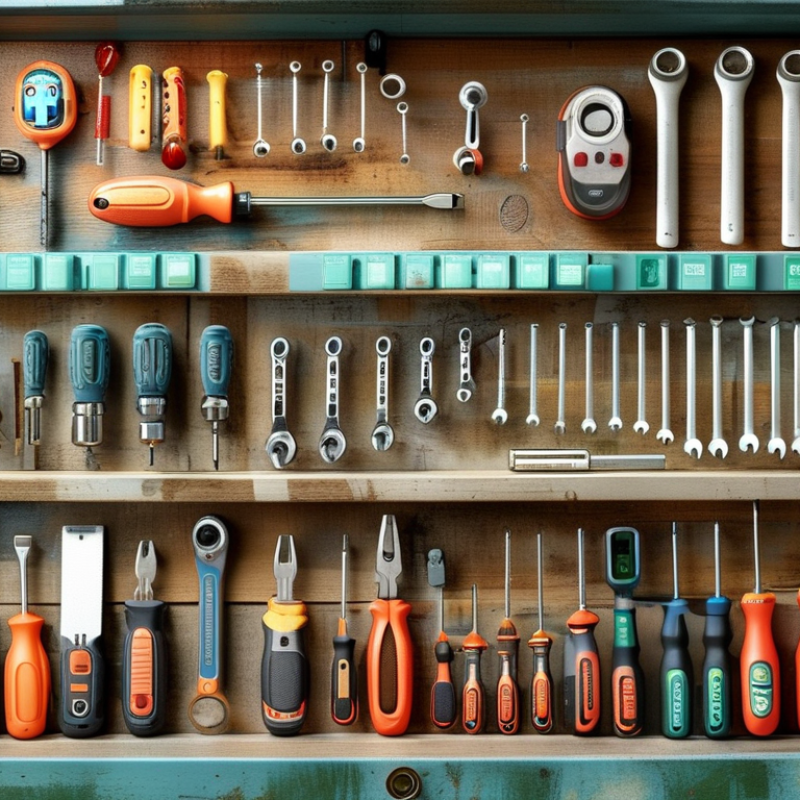
Organizing China-made tools starts with a clear storage system. Keep frequently used items near the entrance of your workshop or utility area. Place screwdrivers, pliers, and measuring tools in a shallow, labeled drawer. Store heavier power tools on lower shelves to reduce lifting risks. Keep sharp blades covered. This small change saves time during urgent repairs.

Tips: Group tools by task, not only by size. Keep plumbing tools together, electrical tools in another section, and garden tools separately. Use transparent boxes for small screws, anchors, and replacement bits. Add a simple checklist inside each box. Check cords, handles, batteries, and safety guards before use. Do not trust appearance alone. A clean tool may still have hidden damage.

I have found that a simple inventory list prevents unnecessary purchases. Record the tool name, location, and condition after each project. Mark damaged items clearly and remove them from active storage. Manuals should stay in a dry folder, especially for unfamiliar equipment. Some tools may feel awkward after reorganization, so adjust shelf height and drawer placement. The system will not be perfect immediately. Review it after a month, when real habits reveal what needs changing.

Applying Step-by-Step Maintenance Techniques with China Tools

Efficient home maintenance starts with a clear, repeatable process. I keep a small set of China-made tools nearby, including screwdrivers, pliers, a measuring tape, a voltage tester, and an adjustable wrench. Start with the basics. Before touching any fixture, switch off the power or water supply and inspect the work area. A quick photograph helps me remember wire positions, screw locations, and hidden seals.

I clean each tool before use, then select the correct size to avoid damaged fasteners. For a loose cabinet hinge, I tighten the screws gradually and check the door after every adjustment. For a dripping faucet, I place a tray underneath, remove the handle carefully, and replace worn sealing parts with matching sizes. Small details matter. I also test the repair slowly, watching for leaks, unusual movement, or heat.

My process is not perfect. I once blamed a loose pipe connection, but the real problem was a cracked washer. That mistake changed my routine. Now I inspect low-cost replacement parts before tightening anything. I record the repair date and note which tool worked best. A torque-limiting screwdriver is useful for delicate fittings, although I still verify the result by hand. Regularly wiping metal tools dry also prevents rust, especially in humid storage areas. During difficult repairs, I pause instead of forcing a part. A careful five-minute check can prevent a much longer repair.

Cleaning, Storing, and Replacing Tools for Long-Term Efficiency

For China-made hand and power tools, cleaning should follow every demanding job, not only visible dirt. Wipe metal surfaces with a dry cloth, then remove dust from vents with a soft brush. Keep moisture away from switches, bearings, and battery contacts.

I once stored a damp drill in a closed box. Rust appeared within weeks. That mistake still shapes my routine.

NFPA 70B (2023) emphasizes documented maintenance and condition-based inspection for electrical equipment. A small log can record cleaning dates, unusual noise, overheating, and damaged cables.

Storage affects efficiency more than many users expect. Keep tools off concrete floors, inside ventilated cases, and away from direct sunlight. Arrange frequently used items at waist height. Store batteries separately, with terminals protected from metal objects.

The Global E-waste Monitor 2024 reported 62 billion kilograms of electronic waste in 2022, while only 22.3% entered documented recycling systems. Responsible replacement matters. Use approved local collection channels for batteries, chargers, and electronic tools.

Replacing a tool should follow evidence, not frustration. A cracked guard, loose chuck, exposed wire, or repeated overheating deserves immediate attention. Compare repair cost, safety risk, and expected service life.

Do not keep a tool because it was expensive. Do not replace one because its finish looks worn. Manufacturer instructions remain the practical reference for torque checks, lubrication, and battery care.

My records are imperfect, and I sometimes delay updates. That weakness is useful to notice. A maintenance system improves only when it reflects real household habits.

FAQS

What should I check before buying China-made home tools?

Check handle comfort, steel hardness, insulation, measurement accuracy, and spare-part availability. Price alone misleads. Read specifications and warranty terms carefully.

How can basic tools improve household energy efficiency?

A caulking gun, scraper, utility knife, and ladder can help seal air leaks. Weatherstripping around doors and windows may reduce heating and cooling waste. The tool must match the repair.

Is a complete tool set always economical?

No. Unused tools create clutter and hidden costs. Choose items based on task frequency, required load, and available storage space. I still sometimes buy duplicates.

How should frequently used tools be organized?

Keep screwdrivers, pliers, and measuring tools in a shallow labeled drawer. Store heavier power tools on lower shelves. Keep sharp blades covered.

How can I organize small repair parts?

Use transparent boxes for screws, anchors, sealing parts, and replacement bits. Add a simple checklist inside each box. Small labels save time.

What safety checks should happen before using a tool?

Inspect cords, handles, batteries, guards, and locking mechanisms before use. A clean surface does not prove safe condition. Do not force damaged equipment.

What process helps with routine home repairs?

Switch off power or water before touching a fixture. Take a quick photograph of wires, screws, and hidden seals. Select the correct tool size, then test the repair slowly.

How should I handle a dripping faucet or loose hinge?

Place a tray beneath a faucet before removing its handle. Match replacement sealing parts carefully. For a hinge, tighten screws gradually and check the door after each adjustment.

How can I maintain tools after use?

Wipe metal surfaces dry, especially in humid storage areas. Record the repair date, tool condition, and storage location. Review the system after one month. Habits may expose weak points.

Conclusion

Improving home maintenance efficiency starts with understanding how China tools can support routine repairs, upgrades, and inspections. Choosing the right tool for each task—such as screwdrivers, pliers, wrenches, measuring devices, and basic power tools—helps reduce effort and prevent mistakes. A practical selection should consider quality, comfort, durability, safety features, and suitability for the specific household job.

To learn how to improve home maintenance efficiency, homeowners should organize tools by type and frequency of use, keeping essential items clean, visible, and easy to reach. Following step-by-step maintenance techniques, including preparing the work area, checking instructions, using protective equipment, and testing results carefully, can make repairs safer and more consistent. Regular cleaning, dry storage, inspection for wear, and timely replacement of damaged tools will preserve performance and support efficient maintenance over the long term.

Isabella

Isabella

Isabella is a dedicated marketing professional with a sharp focus on driving brand growth and engagement through strategic content creation. With an extensive background in digital marketing, she combines her passion for storytelling with her keen understanding of industry trends to deliver......