Old houses often hide their plumbing problems behind plaster, cabinets, and finished floors. A faint brown ring below a sink may signal corrosion, not simple dirt. A water meter that moves when every tap is closed deserves attention. These small clues explain why homeowners need practical guidance on how to prevent pipe leakage in old houses.
Industry data shows why prevention matters. The U.S. Environmental Protection Agency reports that household leaks can waste nearly 10,000 gallons of water annually. Its leak guidance also notes that roughly one in ten homes has leaks wasting at least 90 gallons daily. Meanwhile, the American Society of Civil Engineers’ 2021 Infrastructure Report Card rated U.S. drinking water infrastructure C−, reflecting aging systems and continuing maintenance needs. These reports concern broader networks, but they offer a useful warning for aging residential plumbing.
This guide examines seven proven actions: checking visible joints, monitoring water pressure, insulating cold-water lines, controlling indoor moisture, replacing failing materials, testing shutoff valves, and scheduling professional inspections. A licensed plumber can identify brittle galvanized steel, damaged supply hoses, or hidden slab leaks before they become expensive repairs. Not every old pipe needs immediate replacement. That assumption can waste money. However, delaying every repair can multiply damage behind walls and under floors. A sensible plan combines observation, reliable materials, documented maintenance, and timely expert judgment. One overlooked valve can change everything.
Assess the Age and Condition of the Home’s Plumbing System
Assess the Age and Condition of the Home’s Plumbing System
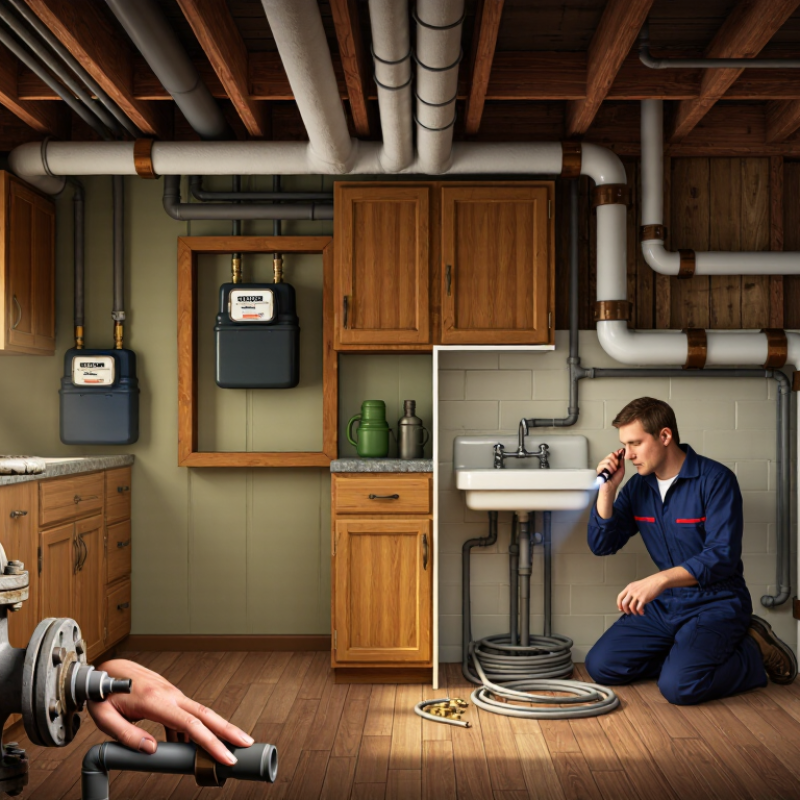
Old plumbing rarely fails without warning. In many houses, stained cabinets, musty smells, or greenish joints signal hidden trouble. Check the home’s construction date and search for repair records before opening walls. Then inspect exposed pipes beneath sinks, near the water heater, and inside the basement. Look for rust, mineral buildup, sagging sections, and damp insulation.
The pipe material also matters. Galvanized steel may become narrow inside from years of corrosion. Older copper can develop pinhole leaks, especially near warm equipment. Plastic pipes may crack around poorly supported joints. I once focused on a visible drip and missed a soft patch behind the wall. That mistake showed me why a wider inspection matters. Use a moisture meter, but do not treat its reading as final evidence. A licensed plumbing professional can check water pressure, shutoff valves, and concealed connections safely.
Tips: Photograph every suspicious area and record its location. Run several fixtures together, then watch for pressure drops or unusual sounds. Do not ignore a slow drain; it may reflect buildup farther inside the line. If a pipe feels brittle or flakes when touched, stop testing it. Aggressive handling can turn a minor weakness into a sudden leak. A written condition report, even an imperfect one, helps prioritize repairs and prevents memory from guiding expensive decisions.
Assess the Age and Condition of an Old Home’s Plumbing System
Pipe materials have different typical service lives. Older galvanized steel and cast-iron systems generally require closer inspection, while copper, PVC, and PEX may last longer when properly installed and maintained. Actual performance depends on water quality, installation, corrosion, leaks, and previous repairs.
Inspect Joints, Valves, Fixtures, and Hidden Pipes Regularly
7 Best Ways to Prevent Pipe Leakage in Old Houses?
Old houses need a practical leak routine, not a quick visual glance. Inspect threaded joints, soldered seams, and compression fittings for green stains, rust, or soft wood. Turn each shutoff valve gently twice a year. A stiff valve may fail during an emergency. Check faucets, toilets, shower seals, and appliance connections for slow drips. The U.S. EPA WaterSense program reports that household leaks can waste nearly 10,000 gallons of water annually. That hidden cost often begins with one damaged washer.
Use a water meter test when every fixture is off. Movement after two hours suggests a concealed leak. Examine basement ceilings, crawl spaces, and wall access panels for damp insulation or musty smells. Older galvanized or cast-iron pipes deserve professional pressure testing. Keep indoor humidity controlled, and insulate pipes near exterior walls. Replace cracked supply hoses before they split. The Insurance Information Institute reports that water damage and freezing represented about 29.7% of homeowners’ insurance claims from 2017 to 2021. The figure is sobering, though claim data cannot predict every house.
Tips: Photograph suspicious joints before cleaning them. Mark the main valve clearly. Never force a seized valve; the pipe may twist inside the wall. Check under sinks with a dry tissue, not just your fingertips. I used to trust quiet pipes too much. That was a mistake. Schedule a qualified plumber when corrosion, pressure changes, or hidden moisture appears. Even careful inspections miss leaks behind finished walls.
Replace Corroded Pipes, Worn Seals, and Outdated Connections
Old houses often leak at weak points, not dramatic breaks. Replace visibly corroded pipes before rust flakes become pinholes. Copper with green deposits, galvanized steel with orange scale, and swollen plastic deserve close inspection. The U.S. Environmental Protection Agency’s WaterSense program reports that household leaks can waste nearly 10,000 gallons annually. In homes with older plumbing, that loss may hide behind walls.
Replace worn seals around faucets, toilets, valves, and appliance connections. A hard rubber washer can look intact but fail when touched. Use correctly sized, certified sealing materials, and avoid forcing a connection. Check threaded joints for movement, mineral crust, or dampness. Old compression fittings often need replacement rather than repeated tightening. They remember every repair.
Inspect exposed pipes twice yearly. Test the water meter when all fixtures are off; movement suggests a hidden leak. Reduce excessive pressure with a suitable regulator, because high pressure stresses aging joints. Replace brittle supply hoses and install accessible shutoff valves near fixtures. The American Society of Civil Engineers gave U.S. drinking-water infrastructure a C− in its 2021 Infrastructure Report Card, reflecting widespread renewal needs. That rating does not diagnose one house, but it supports careful planning. A licensed plumber should assess concealed corrosion, especially after a ceiling stain or sudden pressure change. I have seen owners replace a short pipe while leaving its cracked connector untouched. The leak returned. Sometimes the cheapest repair is simply incomplete.
Protect Pipes from Freezing, Pressure Surges, and Root Intrusion
Old-house plumbing needs prevention, not emergency patching. In winter, wrap exposed pipes with approved insulation, especially in crawl spaces, garages, and exterior walls. Seal air leaks around vents and joists, because cold drafts can freeze pipes behind warm-looking drywall. During severe freezes, open cabinet doors and let vulnerable faucets drip slightly. Know your main shutoff. If a pipe bursts, quick isolation can limit water damage.
Pressure surges deserve equal attention. Have a qualified plumber test static pressure and inspect the pressure-reducing valve. Install or service water-hammer arresters near fast-closing fixtures when banging occurs. Replace brittle supply lines and corroded valves before they fail. A small gauge reading can reveal trouble early. In many inspections, excessive pressure caused leaks that owners blamed on old age. Pressure testing should not become a DIY guessing game.
Tree roots can enter cracked clay pipes or aging joints, slowly narrowing the drain. Schedule a camera inspection when drains gurgle, back up, or smell earthy. Keep large trees away from buried lines during repair planning, and replace cracked sections properly. Mechanical cutting may restore flow, but it will not remove the damaged entry point. That distinction matters. Ask for documented findings and code-compliant repairs. Insulation can also hide leaks if installed over wet pipes. No measure is perfect. Recheck vulnerable areas after every hard freeze, pressure change, or major landscaping project.
Monitor Water Use and Repair Small Leaks Without Delay
Old houses often whisper before they flood. A moving water meter, when every tap is closed, may signal a hidden leak. Record the reading before bedtime, then check it again in the morning. Even a small change deserves attention. Listen near toilets, washing areas, and basement walls for faint hissing. Check the water bill too. An unexplained increase can reveal trouble behind finished surfaces.
Repair minor leaks without delay. Replace worn faucet washers, tighten loose connections gently, and renew cracked supply hoses. Do not overtighten old fittings; brittle metal can split under pressure. Look beneath sinks for green corrosion, damp cabinet floors, or a musty smell. A yellow ceiling mark also needs inspection, even if the surface feels dry. When a pipe disappears into a wall, contact a qualified plumber before opening the structure. Photographs and meter readings can help explain the problem accurately.
Tips:
Keep a flashlight and dry cloth nearby. Wipe every joint monthly. Mark the main shutoff valve clearly. If the meter still moves, stop guessing. Hidden leaks can waste water for weeks, and my own inspection routines would benefit from more frequent reminders. A written check schedule is simple, but easy to neglect.
Conclusion
Learning how to prevent pipe leakage in old houses begins with understanding the age, materials, and overall condition of the plumbing system. Older pipes may be weakened by corrosion, mineral buildup, or outdated connections, so homeowners should regularly inspect joints, valves, fixtures, and accessible hidden pipes for stains, moisture, rust, or unusual sounds. Replacing damaged pipes, worn seals, and unreliable fittings before they fail can prevent costly water damage.
Proper protection is also essential. Insulate vulnerable pipes during cold weather, control excessive water pressure, and address nearby tree roots that may threaten underground lines. Homeowners should monitor water bills and usage patterns because unexplained increases can indicate a hidden leak. Even a small drip should be repaired promptly, as minor problems can quickly develop into major leaks, structural damage, and mold growth. A consistent inspection and maintenance routine helps extend the life of an older plumbing system and keeps the home safer and more efficient.

 Booka Tool