Why Does My Wall Paint Peel Off Easily in China

Time:2026-08-09 Author:Sophia
0%

In China, peeling wall paint is a common issue homeowners face. This leads to the question: why does my wall paint peel off easily? Various factors can contribute to this frustrating problem.

One primary reason could be moisture. In humid climates, walls absorb moisture, weakening paint adhesion. Poor preparation of the wall surface before painting can also cause peeling. If dirt or dust remains, the paint cannot bond properly. Additionally, using low-quality paint may result in a lack of durability over time.

The local environment matters too. In areas with temperature fluctuations, paint can expand and contract. This natural process can weaken its adhesion. It's essential to assess these factors carefully. Ignoring the underlying issues can lead to recurring problems. By understanding why peeling occurs, homeowners can take preventive measures.
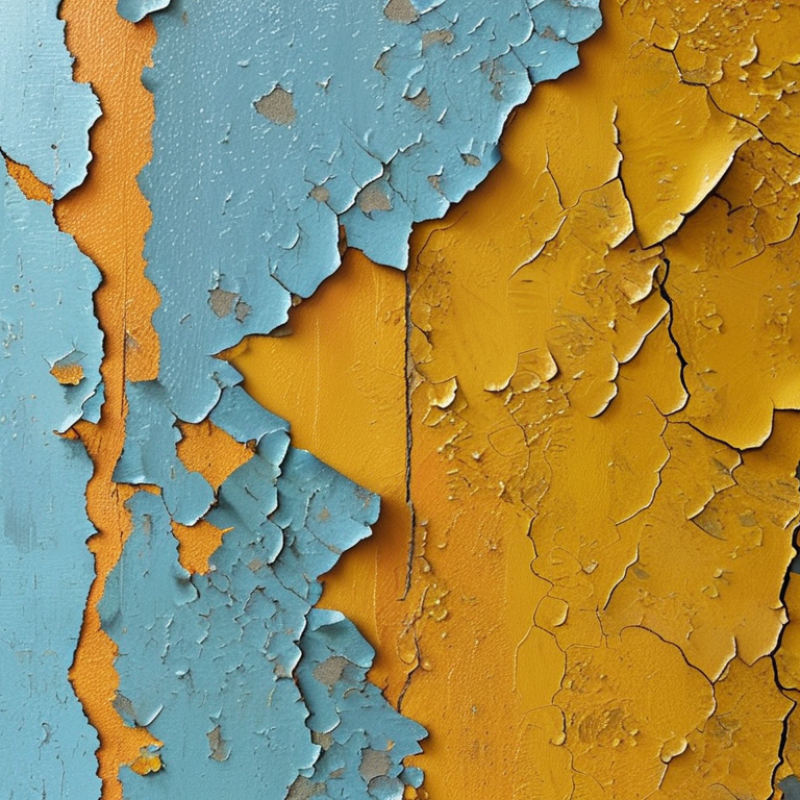
Why Does My Wall Paint Peel Off Easily in China

Causes of Paint Peeling on Walls in China

In China, paint peeling is a common issue in many homes. High humidity levels can trap moisture behind the paint. This creates a perfect environment for peeling. Additionally, poor quality paint or improper application can lead to inadequate adhesion. This means the paint is more likely to come off.

Another significant factor is wall preparation. If the surface isn’t properly cleaned before painting, dirt and residues can prevent a strong bond. Similarly, old paint layers that aren’t stripped can cause new paint to peel. Many homeowners overlook these essential steps.

Temperature changes can also contribute to the problem. Rapid fluctuations in temperature may cause the paint to expand and contract. This action weakens its grip on the wall. Furthermore, poorly ventilated spaces will retain moisture, increasing the risk of peeling. Evaluating these factors can help identify and rectify the issues causing paint peeling.

Environmental Factors Affecting Wall Paint Durability

Wall paint durability is highly influenced by environmental factors in China. High humidity levels, prevalent in many regions, can lead to moisture damage. According to recent studies, homes in humid areas experience a 30% higher chance of paint peeling. This moisture can weaken the bond between the paint and the wall.

In addition, significant temperature fluctuations can impact paint lifespan. The average temperature variation in some Chinese cities can exceed 20 degrees Celsius daily. This rapid change causes the paint film to expand and contract, ultimately leading to cracks and peeling. A report from a leading building materials association indicates that about 40% of paint failures are due to these temperature fluctuations.

Air quality also plays a crucial role. Pollutants in the atmosphere can react with paint compounds, weakening their structure. Data shows that areas with high pollution levels see a 25% increase in paint degradation. Homeowners need to consider these factors when choosing paint. Ensuring proper surface preparation and ventilation can be crucial in enhancing paint performance.

Why Does My Wall Paint Peel Off Easily in China - Environmental Factors Affecting Wall Paint Durability

Common Painting Mistakes Leading to Peeling Issues

Peeling paint on walls in China can be frustrating. Common painting mistakes often lead to this issue. As a homeowner, understanding these errors is crucial for a lasting finish.

One prevalent mistake is not preparing the surface adequately. Neglecting to clean the walls can trap dust and grease beneath layers of paint. This results in poor adhesion. Skipping a primer application can have similar effects. A primer provides a strong bond and ensures the paint adheres properly.

Another common error is applying paint too thickly. While it may seem efficient, this practice leads to uneven drying. The outer layers can dry faster than the inner layers, causing stress and peeling. Ideal paint application involves multiple thin coats. Timing between layers matters as well. Allow each coat to dry thoroughly, as moisture can hinder adhesion.

Importance of Proper Wall Preparation Before Painting

When it comes to wall painting in China, proper preparation is often overlooked. Many people assume that applying paint directly on the wall is sufficient. Unfortunately, this belief can lead to disappointing results, like peeling. Walls may hold dust, moisture, or unremoved old paint. These factors can compromise the new layer of paint, causing it to fail.

Before painting, it is crucial to clean the wall properly. Start by removing any dirt and grease. Then, consider using a primer. This creates a uniform surface for better adhesion. Neglecting these steps can risk early paint peeling. Moisture is also a significant issue, especially in humid areas. Without adequate drying, even the best paint can lift from the surface.

While achieving a perfect finish is the goal, it’s important to understand the wall’s conditions. Not every wall is ideal for new paint. Sometimes, old materials or inadequate treatments hinder your efforts. It’s advisable to assess the wall's condition after cleaning. Only then should you decide how to proceed with painting. This reflection can help avoid future frustrations.

Why Does My Wall Paint Peel Off Easily in China - Importance of Proper Wall Preparation Before Painting

Factors Affecting Paint Peeling Common Issues Recommended Solutions
High Humidity Leads to moisture accumulation behind the paint Use dehumidifiers and ensure proper ventilation
Poor Surface Preparation Dirty, uneven, or unprimed walls Thoroughly clean and prime surfaces before painting
Temperature Fluctuations Expansion and contraction causing cracks Maintain consistent indoor temperatures during and after painting
Incompatible Paint Types Using oil-based paint on latex surfaces Ensure paint compatibility; use appropriate coatings
Insufficient Drying Time Paint not cured properly before exposure to elements Allow adequate drying time as per manufacturer's instructions

Solutions to Prevent Peeling Paint in Homes

Peeling paint is a common issue in homes across China. High humidity levels, poor ventilation, and substandard application techniques often contribute to this problem. A report by the National Paints Association highlights that over 30% of homeowners face peeling paint within five years of application. It’s crucial to identify the underlying causes to find effective solutions.

To prevent paint from peeling, focus on surface preparation. Clean walls thoroughly before painting. This ensures that dirt and grease do not disrupt adhesion. Using high-quality primers can provide a solid foundation. It’s recommended to allow ample drying time between coats. A study indicates that applying multiple thin coats rather than one thick coat can significantly enhance durability.

Humidity control plays a vital role in paint adhesion. Installing dehumidifiers can help maintain optimal moisture levels in your home. Regularly checking for leaks or water damage is essential too. Even with the best materials, neglecting these factors can lead to regrets. It’s often easy to overlook the environment where you live, yet it can make or break your paint job.

FAQS

: What causes paint peeling on walls?

: High humidity traps moisture behind paint. Poor quality paint or improper application also leads to issues.

How does wall preparation affect paint adhesion?

If walls aren’t cleaned properly, dirt can block adhesion. Old paint layers can cause new paint to peel.

Can temperature changes contribute to paint peeling?

Yes, rapid temperature changes make paint expand and contract. This weakens its grip on the wall over time.

What solutions can prevent paint from peeling?

Focus on thorough surface preparation. Clean walls well before painting to ensure a strong bond.

Why is it important to use high-quality primers?

High-quality primers provide a solid foundation for the paint. They help enhance durability and adhesion.

What role does humidity control play?

Controlling humidity prevents moisture buildup. Dehumidifiers can help maintain optimal levels in your home.

How can ventilation affect paint durability?

Poorly ventilated spaces trap moisture. This increases the risk of paint peeling and other related issues.

What is a better method for applying paint?

Applying multiple thin coats is preferred over one thick coat. This approach improves durability and reduces peeling risks.

How often should I check for leaks?

Regular checks for leaks or water damage are essential. Neglecting this can lead to bigger problems later.

Why do homeowners overlook environmental factors?

Many don’t consider their living conditions’ impact on paint quality. Environmental factors can make or break a paint job.

Conclusion

In addressing the question of "why does my wall paint peel off easily," several factors come into play, particularly when considering the unique environmental conditions present in China. Humidity, temperature fluctuations, and air pollution can significantly impact the durability of wall paint. Additionally, common mistakes during the painting process, such as inadequate surface preparation or using incorrect paint types, can exacerbate peeling issues.

Proper wall preparation is crucial to ensure that paint adheres effectively and lasts longer. This includes cleaning the surface, filling in cracks, and applying a suitable primer. To prevent future peeling, homeowners can adopt preventive measures like selecting high-quality paints designed for local climates and conducting regular maintenance checks. By understanding these causes and implementing best practices, one can mitigate the risk of paint peeling and maintain a beautiful home environment.

Sophia

Sophia

Sophia is a dedicated marketing professional with an exceptional depth of knowledge about her company's products and services. With a keen understanding of market trends and customer needs, she crafts insightful blog posts that not only inform but also engage readers, enriching the company’s online......