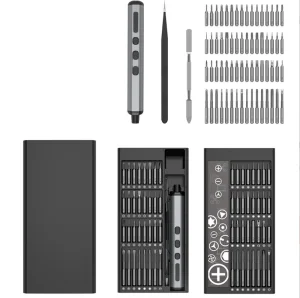
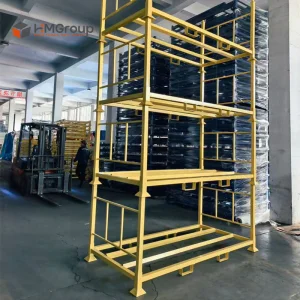
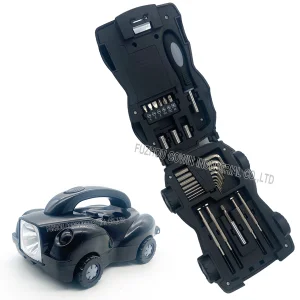
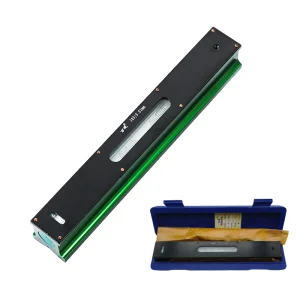
Browse our featured catalog of performance-oriented workshop tool sets, power tools, and specialized machinery built for heavy duty applications.
The global workshop tool kits and professional assembly equipment sector is undergoing a profound structural transformation. Rapid industrialization, combined with the continuous growth of regional automotive repair markets, construction projects, and manufacturing facilities, has accelerated demand for premium, heavy-duty hand and power tools. Today's commercial markets require more than basic tool options; buyers expect multi-functional toolsets featuring optimized ergonomics, robust metallurgy, and extreme tolerance levels.
From an supply chain viewpoint, the production of professional-grade toolsets has shifted from simple tool forging to high-precision engineering. Advanced manufacturing lines integrate high-precision CNC processes, automated heat treatment protocols, and computerized torque testing systems. These measures ensure that every ratchet, socket, wrench, and screwdriver meets demanding global standards like ANSI (American National Standards Institute) and DIN (Deutsches Institut für Normung). High-end suppliers now focus on creating customized, application-specific tool sets that optimize maintenance workflows, prevent mechanical failure, and maximize safety in challenging industrial environments.
Use of Chrome Vanadium (Cr-V), S2 Tool Steel, and premium tool alloys to achieve extreme torsional strength, wear resistance, and long-term durability in industrial environments.
Precision-engineered multi-component handles (TPR grips) minimize user fatigue, muscle strain, and slip-induced injury during high-torque manual operations.
Every tool set undergoes comprehensive torque testing, hardness verification (HRC scale), and anti-corrosion salt-spray testing to meet ISO and CE standards.
Foshan Booka Tool Co., Ltd. is a professional manufacturer specializing in home repair tools, DIY household maintenance equipment, and multi-function repair tool kits. The company focuses on providing practical, durable, and user-friendly tool solutions designed for homeowners, DIY enthusiasts, and light maintenance professionals.
Since its establishment, Booka Tool has developed from a small local workshop into a dedicated household tool manufacturer serving both domestic and international markets. In its early stage, the company mainly produced basic hand tools for home maintenance and small repair tasks. With the growing demand for DIY home improvement solutions, the company expanded its production scope and began developing multi-functional tool kits designed for a wider range of household repair scenarios.
During its growth phase, Foshan Booka Tool invested in product engineering improvements, ergonomic handle design, and durable material selection to enhance user safety and efficiency. The company gradually built a complete production system including stamping, molding, assembly, and quality inspection processes to ensure consistency and reliability across all product lines.
Today, Booka Tool serves global customers including DIY retailers, hardware distributors, e-commerce platforms, and home improvement brands. Its product systems cover general home repair tools, plumbing and electrical maintenance tools, furniture assembly solutions, and emergency repair kits.
With a continued focus on innovation, practicality, and cost-effectiveness, Foshan Booka Tool Co., Ltd. aims to become a trusted global supplier in the home repair tools industry, providing efficient DIY solutions that help users complete household maintenance tasks more easily and safely.
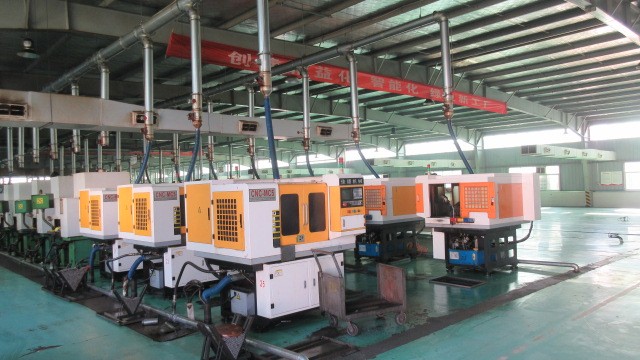
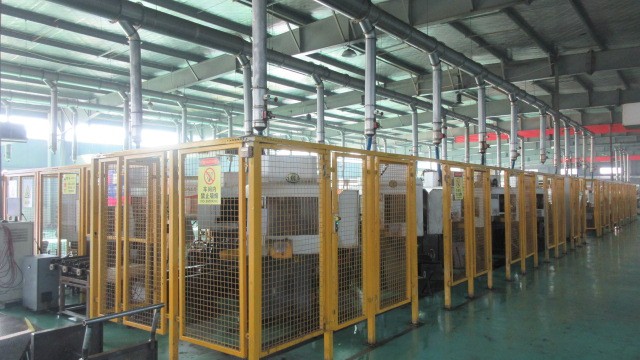
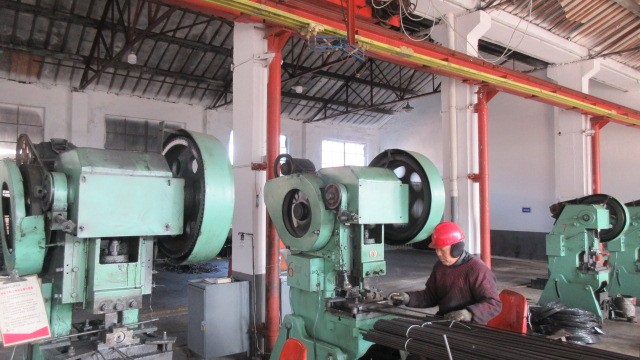
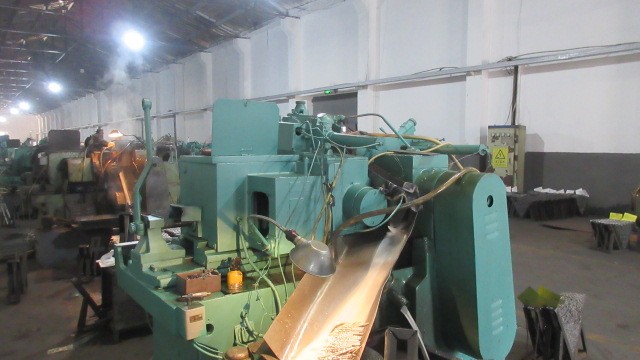
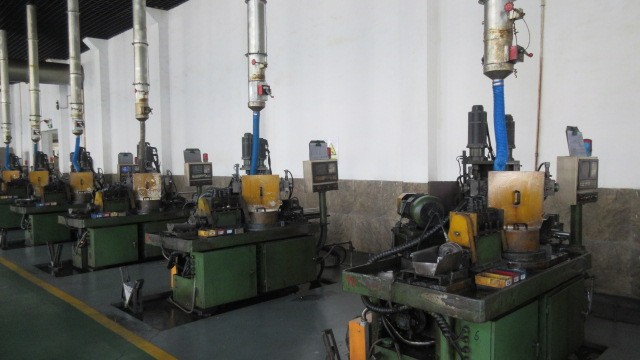
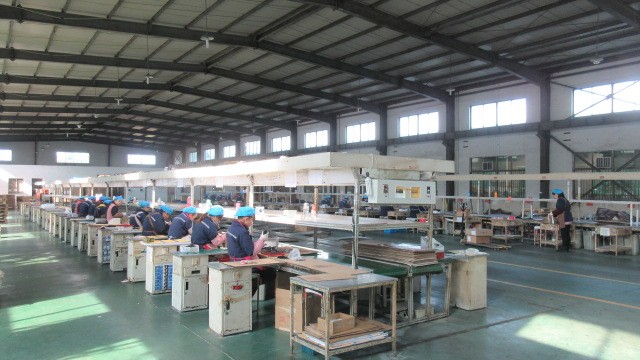
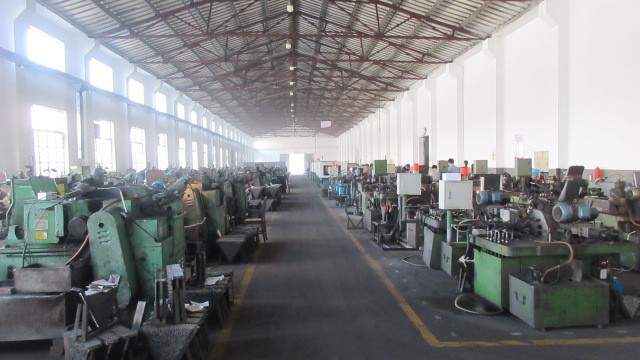
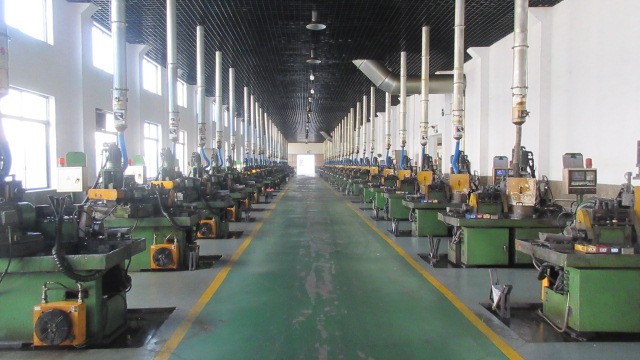
Foshan Booka Tool Co., Ltd. maintains a state-of-the-art production facility, utilizing modern assembly machinery, raw material hardening stations, and high-precision quality control units. Below is a detailed visual insight into the factory's production and staging areas:


Industrial performance requires specialized tools. A mismatch between a tool's design and its application can lead to component failure, safety risks, and reduced productivity. Industrial exporters address this by offering distinct tool kits for specific industries:
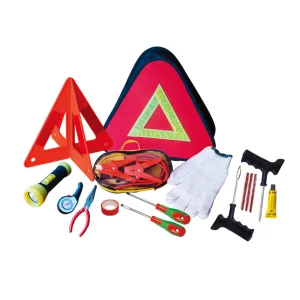
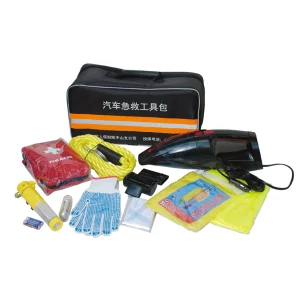
Modern roadside assistance and routine garage maintenance require portable toolkits that prioritize space efficiency and versatility. Standard kits include sockets, high-torque ratchets, spark plug sockets, battery testers, jumper cables, and visibility equipment. Using impact-resistant plastics for carry cases protects tools against fluid exposure and mechanical shocks during storage in vehicles.
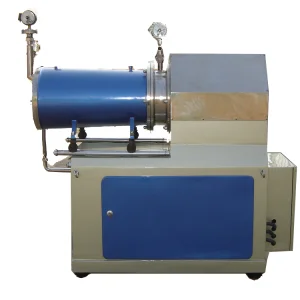
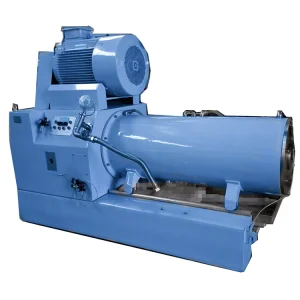
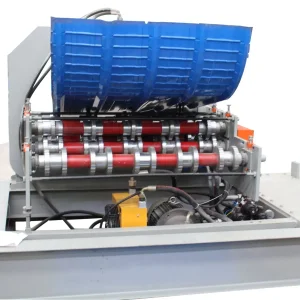
For operations involving complex industrial machinery, including horizontal sand mills, curving roll formers, and paint grinding mills, technicians require specialized equipment. This includes precision indicators, heavy-duty hydraulic crimpers, and exact torque keys. These tools prevent component damage and cross-threading during critical installations and maintenance procedures.
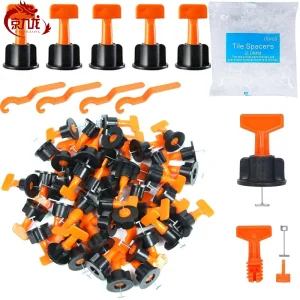
On large construction sites, safety and structural alignment are critical. Tools like high-capacity synchronous lifting jacks, heavy-duty anchors, and layout aids (such as master precision spirit levels and tile leveling systems) ensure structures are aligned and installed correctly. Industry-compliant components are essential to prevent structural shifting and ensure safety.
Procuring workshop tool kits internationally requires navigating complex supply chain logistics, customs duties, and strict regional regulatory compliance. Large hardware brands, wholesalers, and e-commerce platforms must partner with manufacturers that offer comprehensive services beyond basic assembly.
For retail and trade brands, customized product configuration is essential. Top exporters offer comprehensive customization options, including custom blow-molded cases, laser-etched branding on metal surfaces, customized tool loadouts, and multilingual user manuals. High-value retail kits, such as gift-oriented torch tools and compact home kits, rely on high-impact packaging designs to improve point-of-sale appeal.
Importing into regions like the EU, North America, or Oceania requires compliance with strict safety directives. Critical regulatory standards include:
The manual tool industry is evolving with new developments in materials science, digital integration, and ergonomics. High-performance manufacturers are investing in several key areas to meet modern standards:
Digital integration is increasingly common in high-precision assembly environments. Smart torque wrenches, digital levels, and connected diagnostic kits record torque readings and angle alignments in real-time, sending data directly to cloud-based quality control systems to ensure precision assembly.
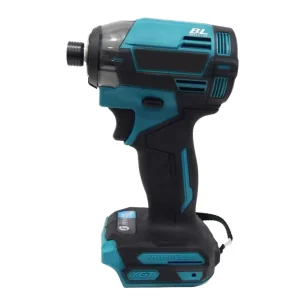
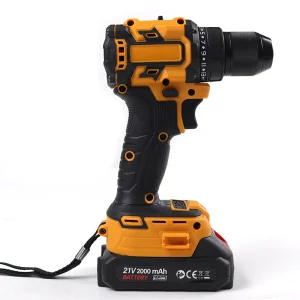
The transition to brushless motors and high-density lithium-ion battery packs has improved cordless hand tools. Modern 21V brushless drills and compact rechargeable screwdrivers deliver higher torque-to-weight ratios, run cooler, and have longer operational lifespans than traditional brushed alternatives.
Many global distributors require eco-friendly products. Tool factories are replacing traditional fossil-fuel-based plastics with bio-resins, recycled polymers, and biodegradable soft grips. Reducing packaging volume and using recyclable raw materials helps minimize the carbon footprint of global shipping.
Explore our range of heavy-duty storage, precision measurement equipment, and customizable home/business repair solutions.
 Booka Tool