Booka Tool
1 / 5
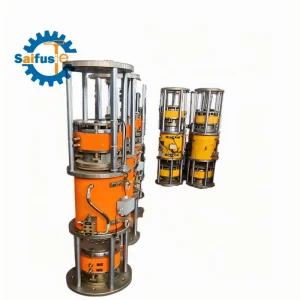
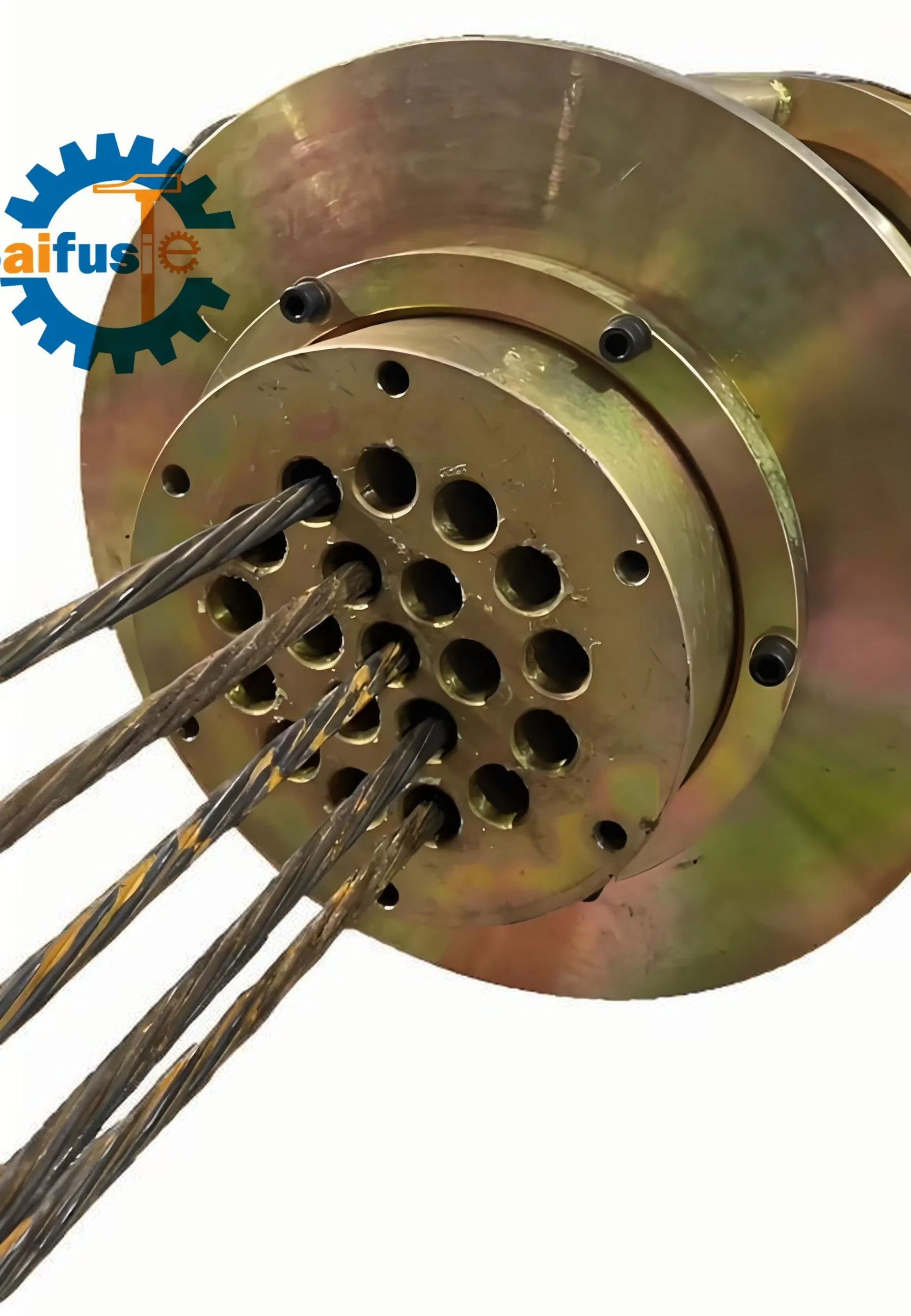
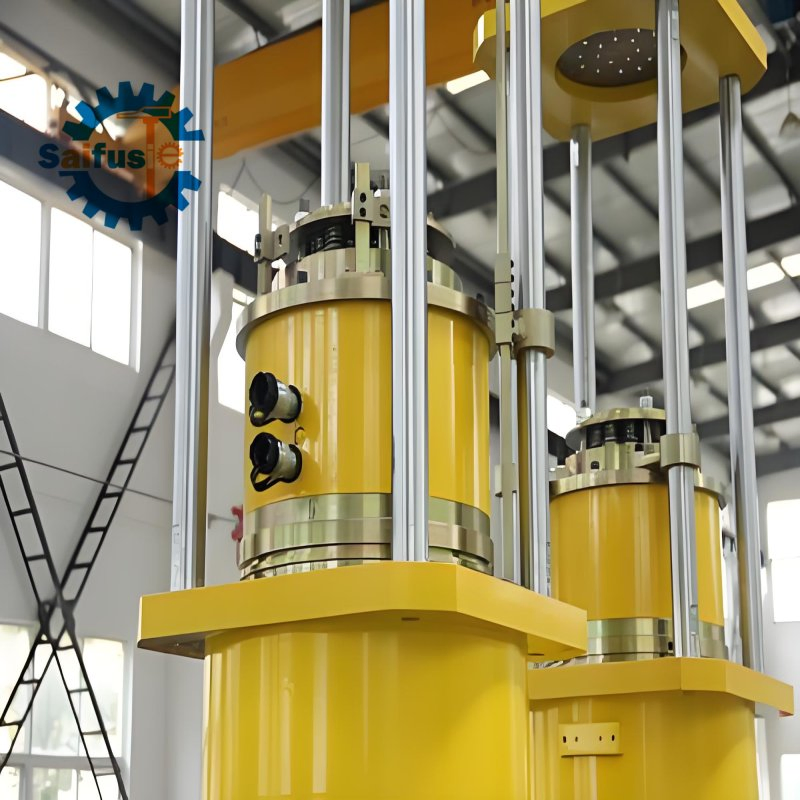
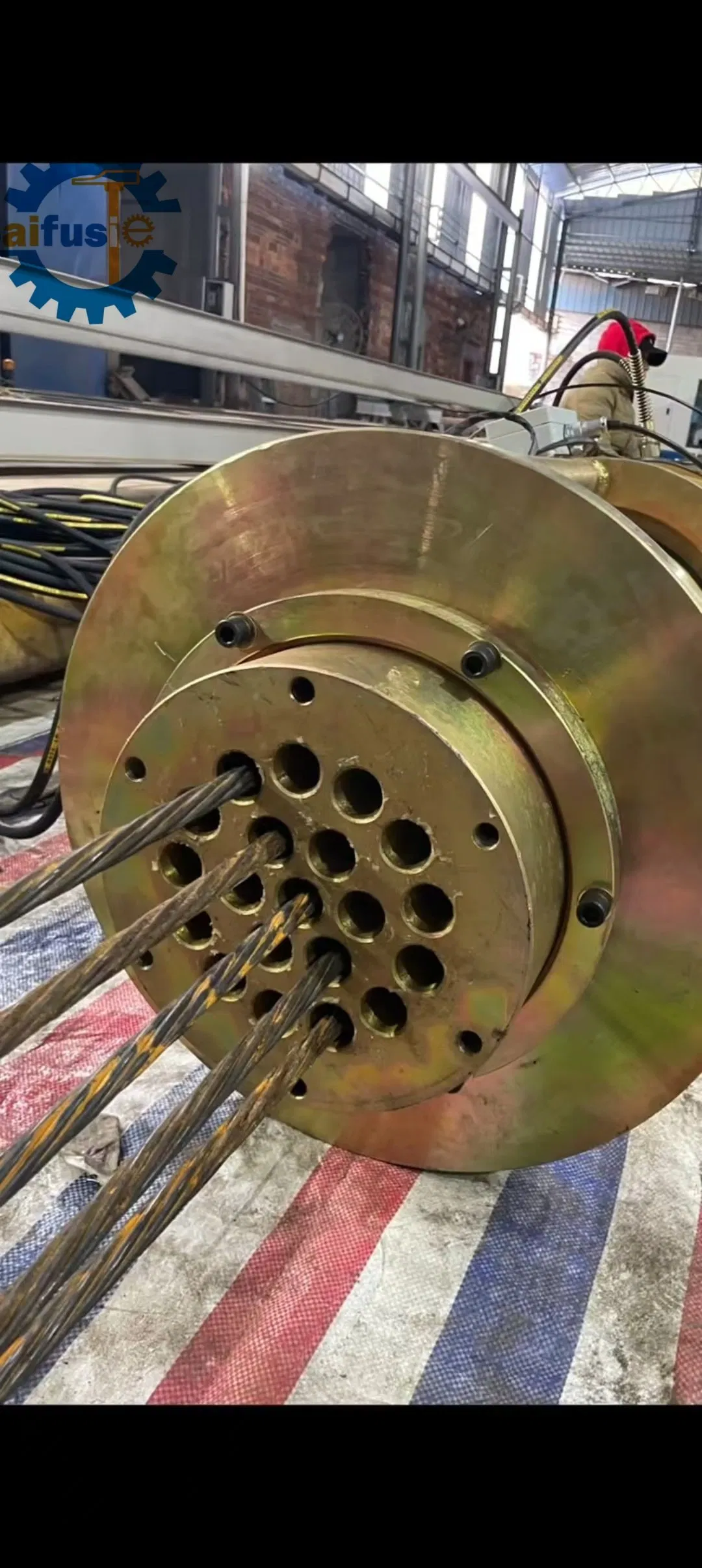
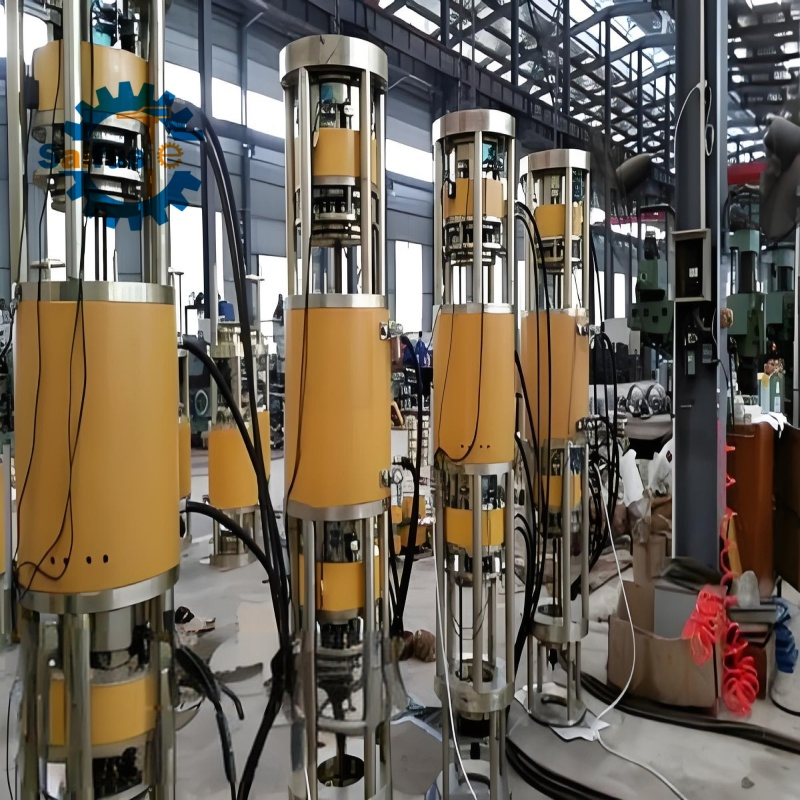
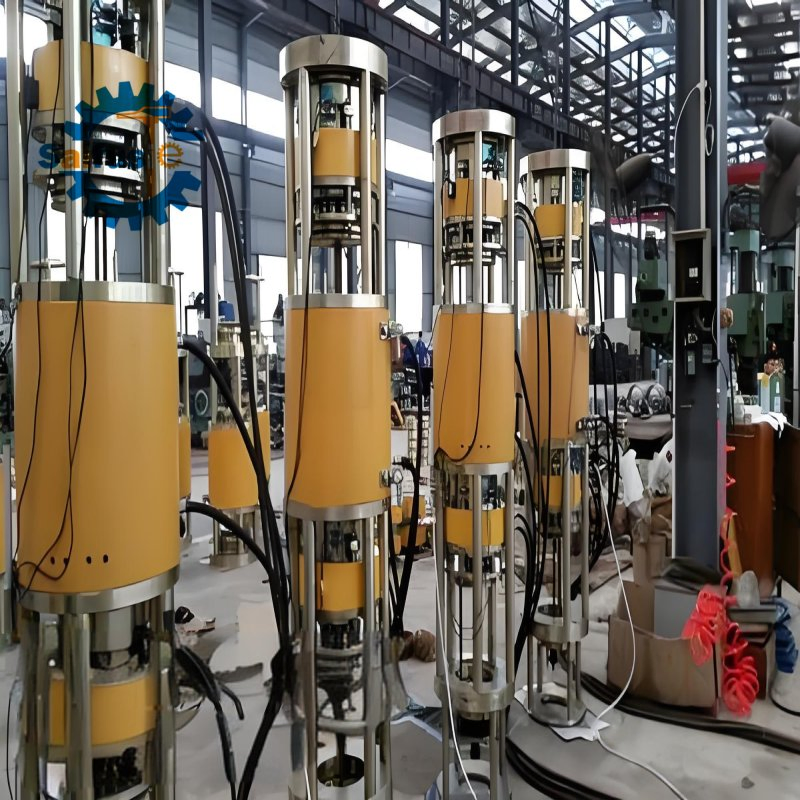
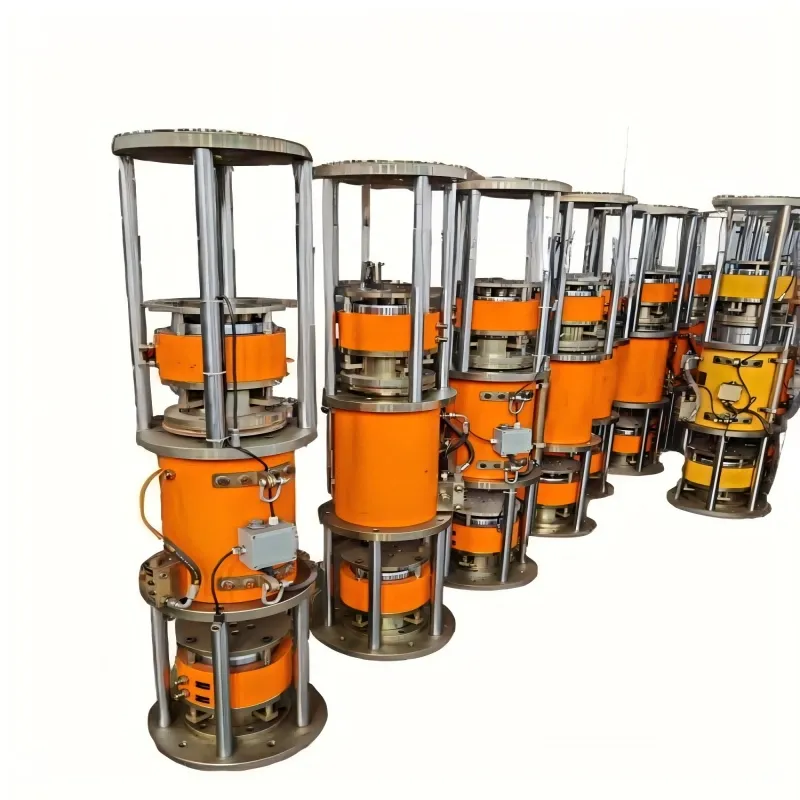
Safety assurance in the depths of the mine - synchronous lifting jacks: Deep underground mines, mining operations are dangerous. It is the miners' trusted choice, explosion-proof design to eliminate hidden dangers, super stability in the narrow tunnel support roof. Even in the face of emergencies, the reliable self-locking device holds the lifeline, escorting life and resource extraction in the dark.
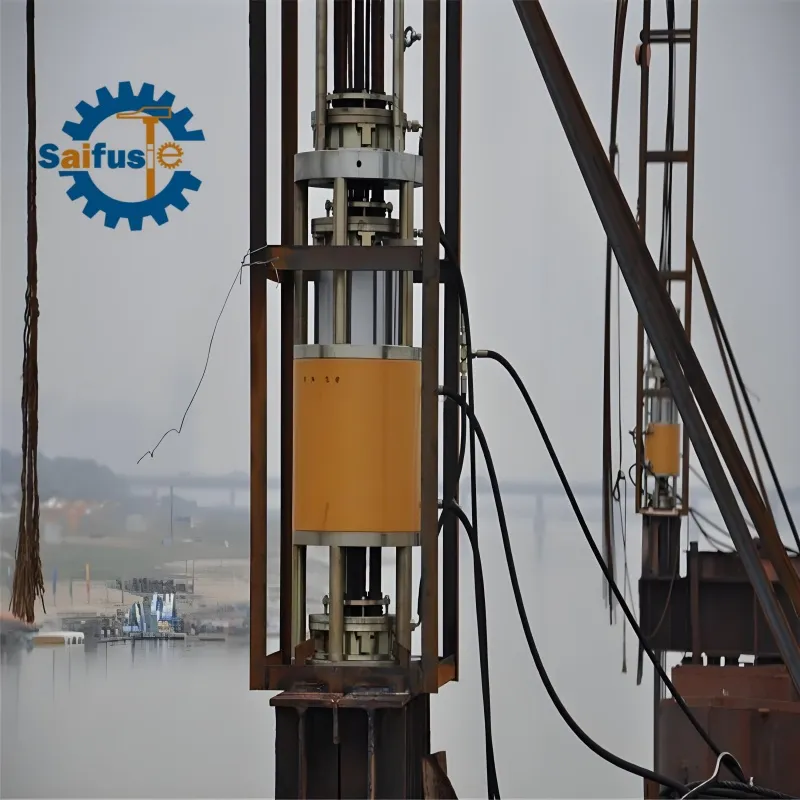
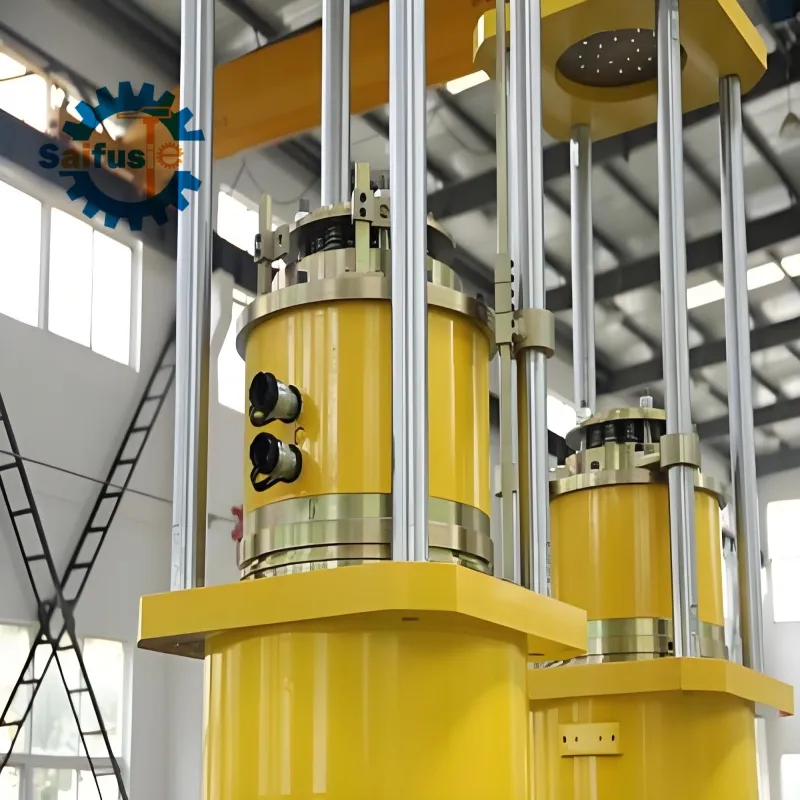
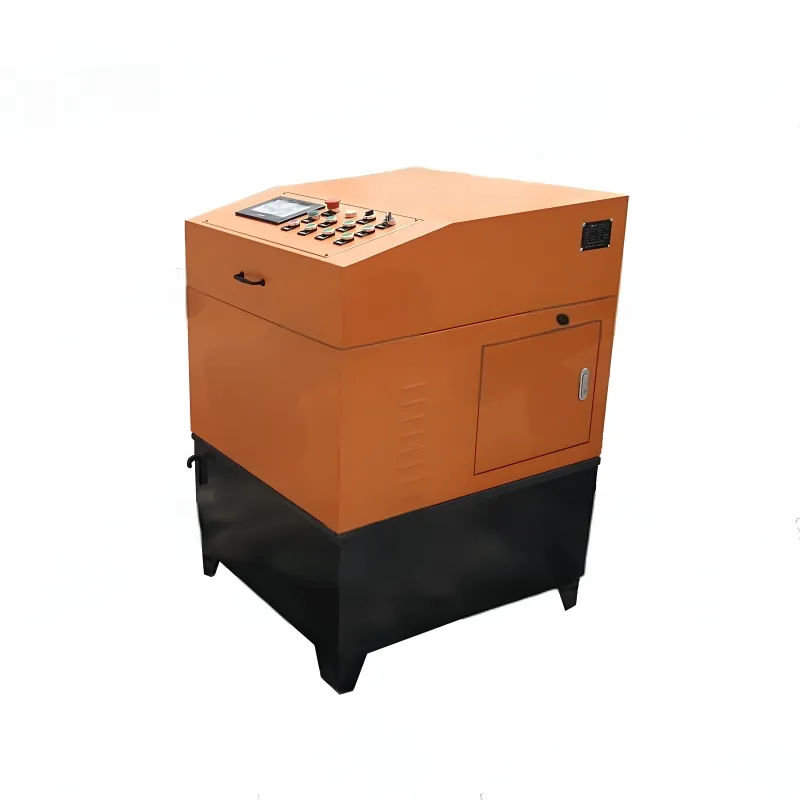
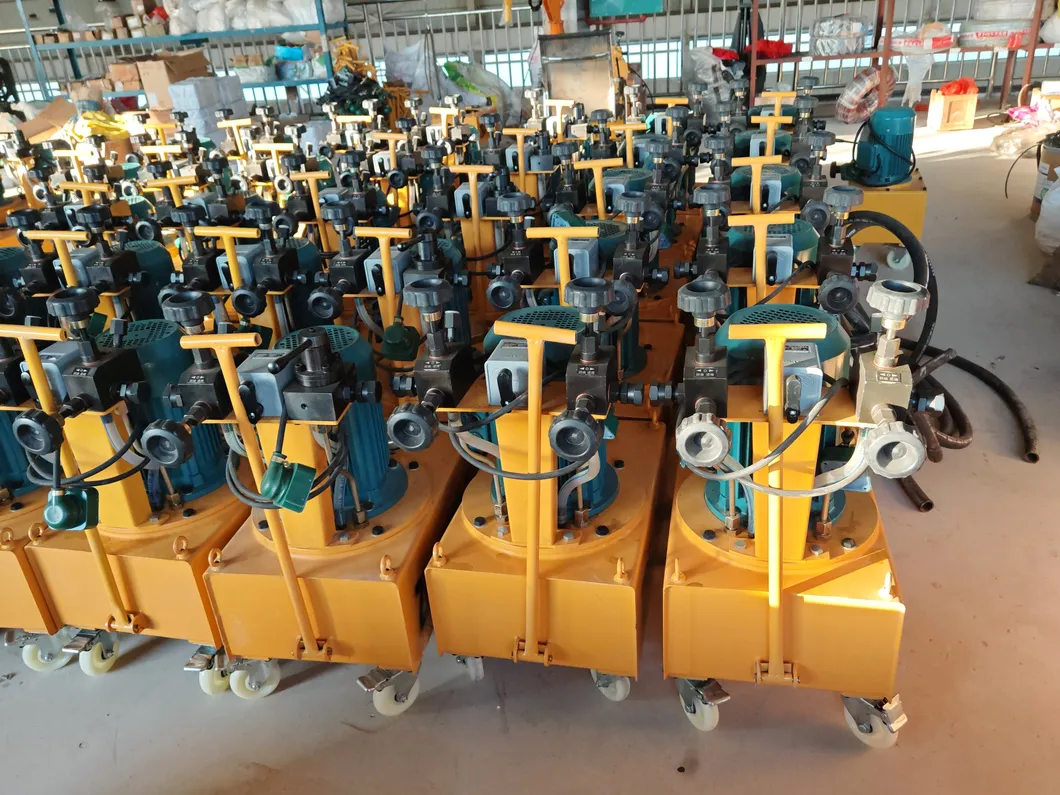
Synchronous lifting jack with hydraulic transmission as the core. The motor drives the oil pump, which causes the hydraulic oil to produce pressure and enter the jack cylinder. The high-precision sensor monitors the displacement and load of each jack in real time, and the data is transmitted to the control system. Comparative analysis of control system, accurate control of each jack oil inlet and output, to achieve multiple synchronous operation. Such as bridge construction, the fulcrum jacks are lifted and lifted synchronously to ensure that the beam body is smoothly and accurately in place, with minimal error, and rely on the stable force and intelligent control of hydraulic pressure to complete complex heavy lifting tasks.
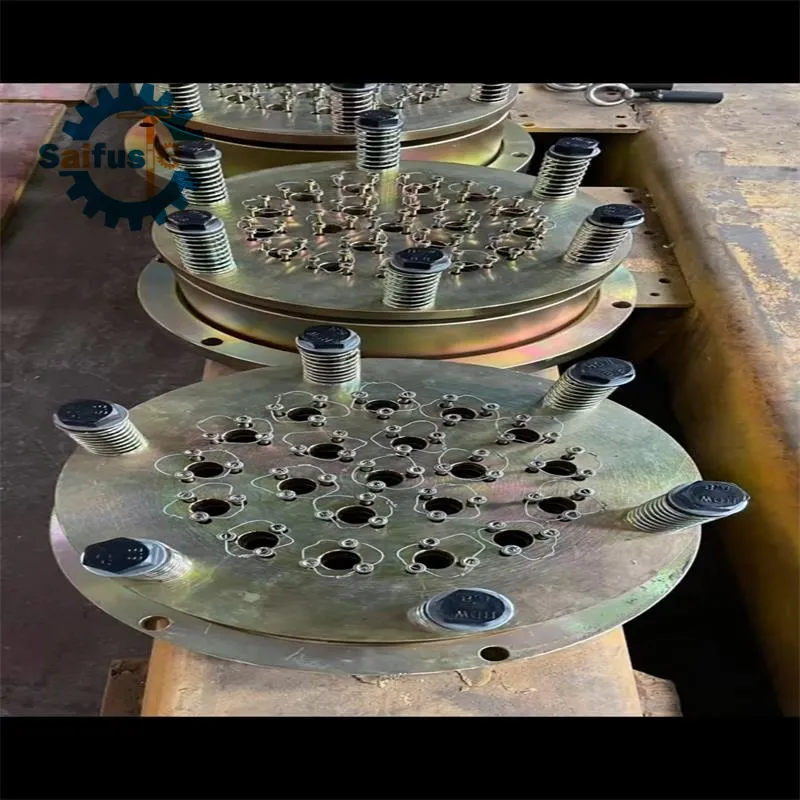
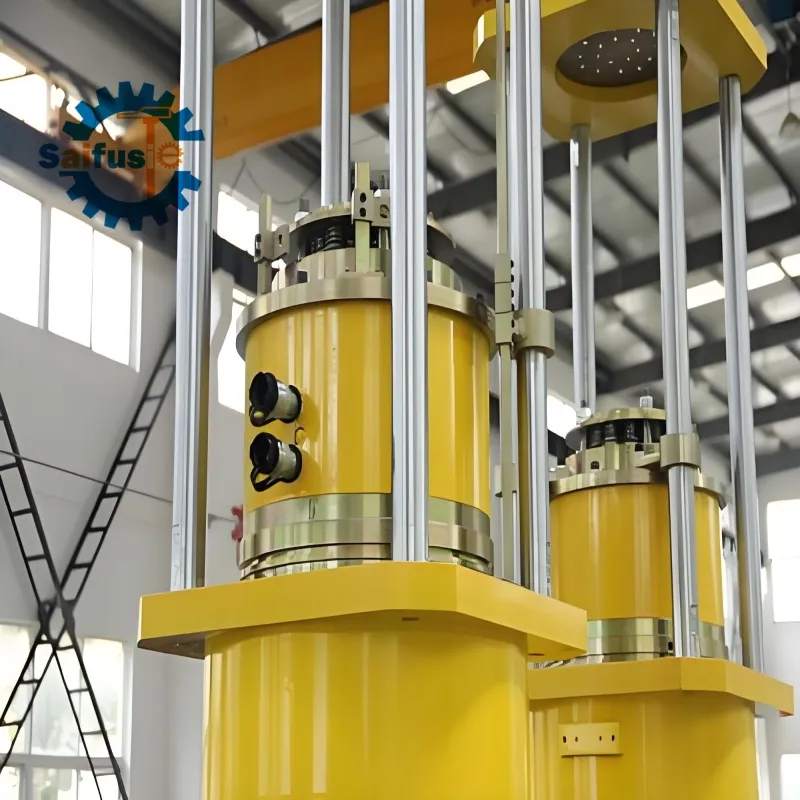
| Model | Safe Working Load | Working Pressure (MPa) | Cylinder Stroke (mm) | Retraction Height (mm) | Jack Weight (KG) | Fixed Anchor Weight (KG) | Speed (m/h) | Number of Strands | Strand Diameter (mm) |
|---|---|---|---|---|---|---|---|---|---|
| SFST-TSD45 | 45 | 31.5 | 500 | 1726 | 600 | 28 | 0-25 | 3 | 18 |
| SFST-TSD60 | 60 | 31.5 | 500 | 1726 | 630 | 32 | 0-25 | 4 | 18 |
| SFST-TSD100 | 100 | 31.5 | 500 | 1790 | 930 | 46 | 70-25 | 7 | 18 |
| SFST-TSD180 | 180 | 31.5 | 500 | 1886 | 1560 | 90 | 0-25 | 12 | 18 |
| SFST-TSD280 | 280 | 31.5 | 500 | 1938 | 2330 | 130 | 0-25 | 19 | 18 |
| SFST-TSD300 | 300 | 31.5 | 500 | 1940 | 2460 | 140 | 0-25 | 20 | 18 |
Site Preparation
Select a solid, flat installation site to ensure that the ground can withstand the total weight of jacks and heavy objects. If the ground is soft, it should be strengthened in advance, such as laying steel plates or using sleepers. Clean up debris on the site, avoid debris affecting the placement and work of the jack, and ensure that there is enough space around the installation location to facilitate operation and maintenance.
Check the Device
Before installation, carefully check the appearance of the jack to ensure that there is no damage and no leakage. Check cylinder, piston, tubing and other key components are in good condition. Check whether the type and specifications of the jack meet the working requirements, especially the carrying capacity and travel range. At the same time, check whether all components of the synchronous control system (if any) are complete and properly connected.
Jack Placement
Place the jack smoothly in a pre-determined position, ensuring that the bottom of the jack is in full contact with the ground and perpendicular to the lifting direction of the weight. For the use of multiple jacks at the same time, it is necessary to use a measuring tool to measure accurately to ensure that the position and spacing between the jacks meet the requirements. If the jack has a fixed device, such as anchor bolts or clamps, it should be properly installed and fixed in accordance with the requirements of the manual to prevent the jack from shifting during the work.
Connect Tubing and Power Supply
When using hydraulic synchronous lifting jacks, ensure that the tubing is clean, free of impurities and moisture before connecting. Firmly connect the tubing to the corresponding interface of the jack and the hydraulic pump station, and fix the tubing with pipe clamps or other fixing devices to prevent the tubing from falling off or leaking. For electric jacks, connect the power supply according to the installation requirements of the electrical equipment. Check whether the power supply voltage and frequency are consistent with the jack's rating, and ensure that the ground is good to avoid electric shock accidents.
System Debugging
After connecting all jacks and related equipment, turn on the synchronous lifting control system. Calibrate the sensor according to the system operating manual to ensure accurate measurement of jack displacement, pressure and other parameters. Carry out no-load debugging to check whether the lifting and descending action of each jack is flexible and whether the synchronous control system can work normally. Observe the display data of the control system to confirm that the synchronization error between the jacks is within the allowable range.
Safe Operation: The operator must be professionally trained. Overload is strictly prohibited. Pay close attention to the working state and load of the jack, and stop the operation immediately if an anomaly is found.
Synchronous Maintenance: For synchronous lifting jacks, the accuracy of the synchronous control system should be checked regularly. Try to avoid external factors to interfere with the synchronous work, such as uneven ground settlement or external force collision.
Equipment Maintenance: Perform regular maintenance, check the oil quality and amount of the hydraulic oil. Clean and store the jack in a dry, well-ventilated place after work.
Emergency Handling: For jacks with self-locking devices, rely on the self-locking function to prevent heavy objects from falling during a power outage or system failure. Prepare necessary backup tools (e.g. backup power supply, hand pumps) beforehand.
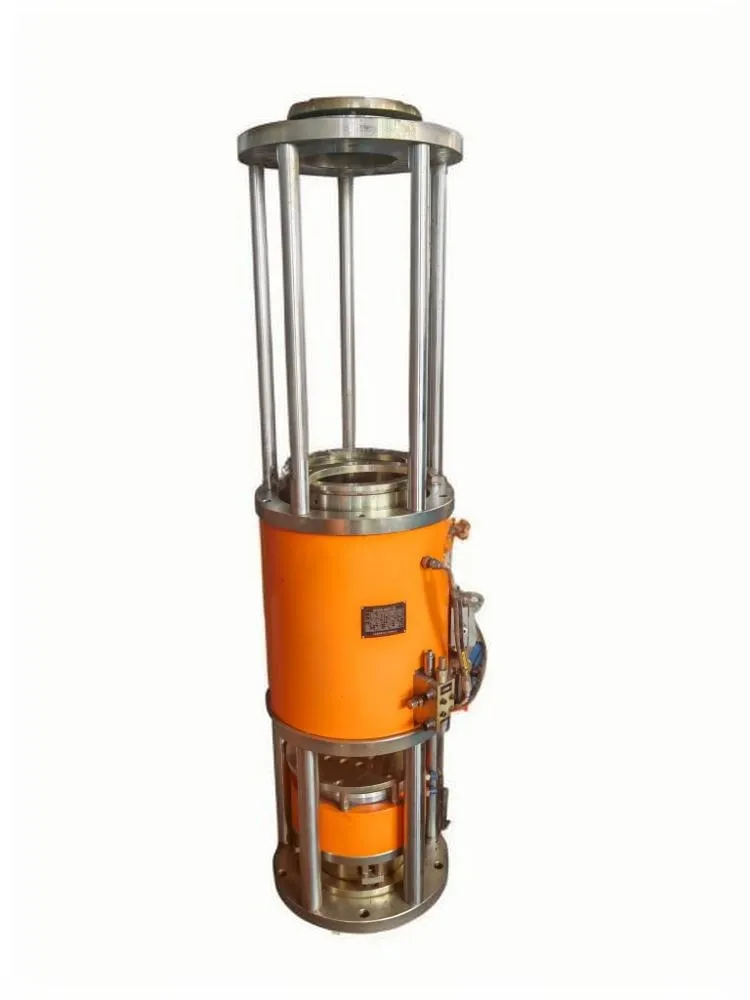
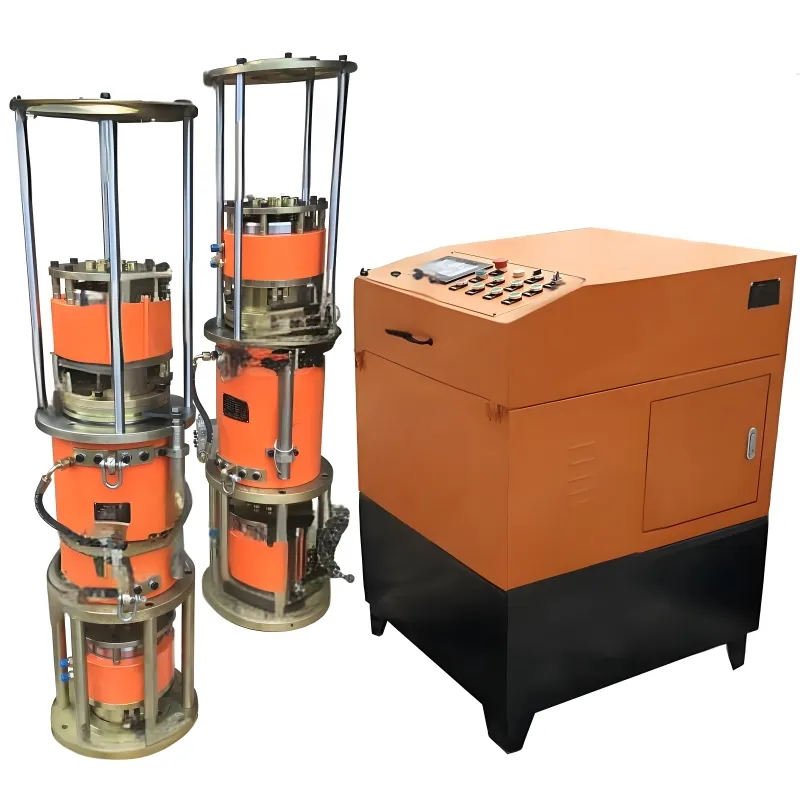
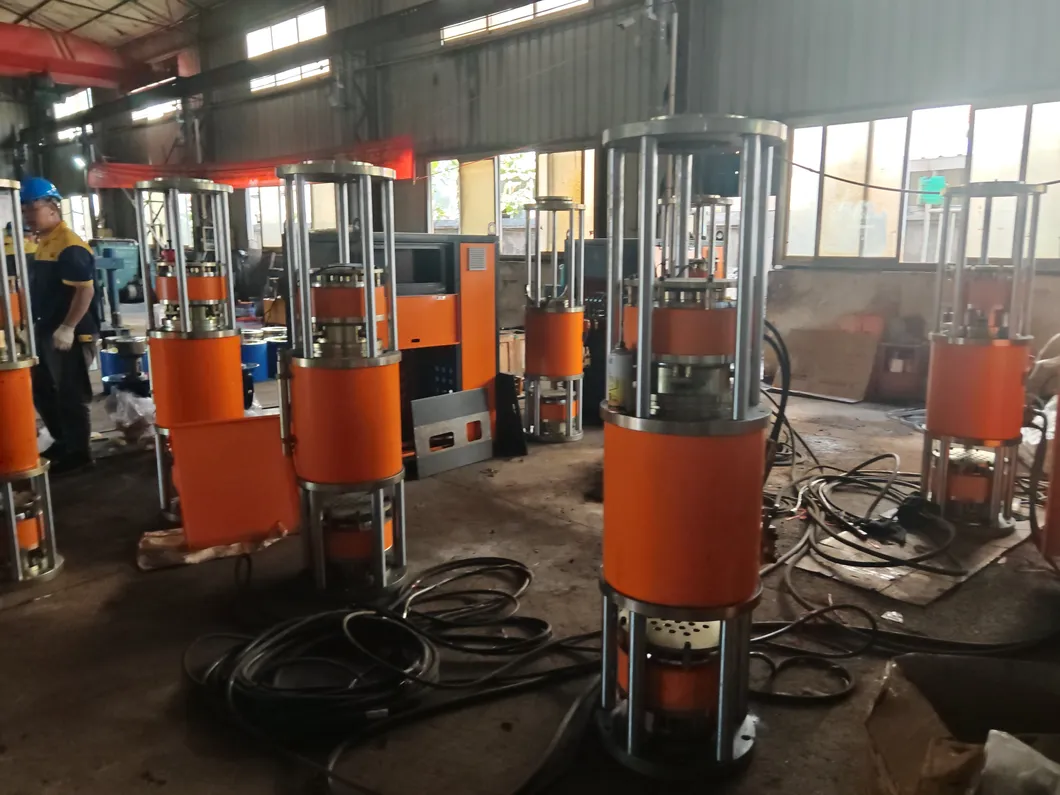
A professional enterprise engaged in hydraulic mining equipment, hydraulic construction machinery equipment, ultra-high pressure pumping stations, oil cylinder research, development, and manufacturing.
Our production covers various types of splitting guns, splitting rods, splitting machines, digging and drilling machines, electric hydraulic pumps, high-pressure cylinders, high-pressure jacks, synchronous lifting equipment, crushing hammers, and other professional hydraulic machinery and tools. With decades of experience in ultra-high voltage equipment, our products stand as a reliable and excellent industrial brand choice.